






Zoos SA
Bird flu and what it means for your visit: Learn about the precautionary measures we're taking and what to expect during your visit.

Beyond the blooms: Create a garden butterflies will love

Looking to connect to nature and support local wildlife? Look no further than your own backyard!

Creating a butterfly garden is one of the easiest ways to help native species, while also transforming your outdoor space into a peaceful retreat.

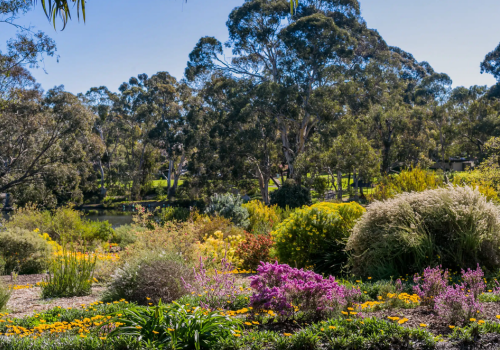
The best part? You don’t need acres of land to live out your butterfly dreams! Whether you have a sprawling backyard, a cozy courtyard, or just a few pots on a balcony, the right plants can turn any space into a thriving habitat for fluttering locals.

The secret is thinking beyond blooms. While nectar-rich flowers are important for adult butterflies, if you want butterflies to breed and thrive, you also need plants to feed caterpillars.

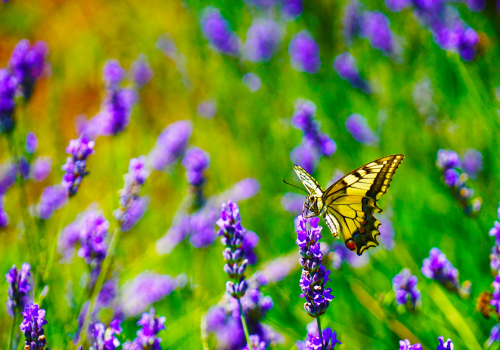
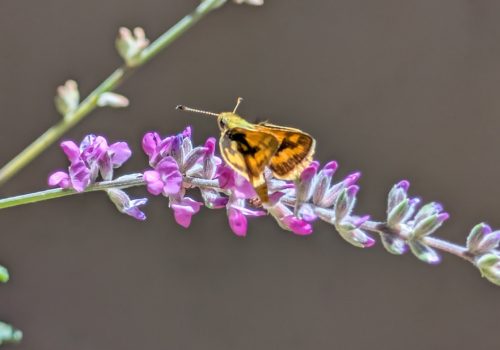
yellow butterfly on purple flower

More than flowers

Every butterfly starts life as a caterpillar, and most caterpillars will only feed on specific plant species known as host plants. Adult butterflies seek out these plants to lay their eggs so their young have a food source when they hatch.

Host plants give butterflies a reason to stay in your garden and complete their life cycle.

That’s why the most successful butterfly gardens include a nectar source for adults and host plants for caterpillars.

Go local when picking plants

Local flora equals local fauna. Choosing native South Australian plants for your garden gives local butterflies the best chance to thrive. Having evolved alongside local wildlife, these plants are perfectly suited to our climate and soil type.

For nectar source, great options include:
• Brachyscome daisies (Brachyscome spp.)
• Pale fan-flower (Scaevola albida)
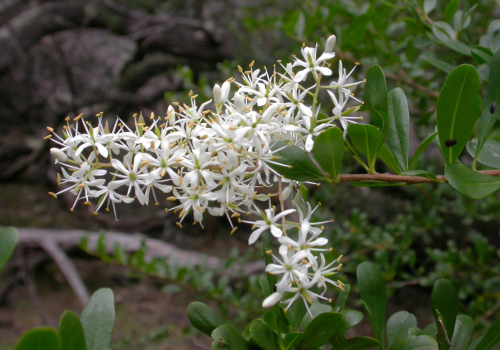
• Sweet bursaria (Bursaria spinosa)

Recommended Host Plants

When selecting caterpillar host plants, choose species that support butterflies found in your local area. Planting a mix of native species will help support a greater diversity of butterflies throughout the year.

These include:
• Meadow rice-grass (Microlaena stipoides)
• Tall scurf-pea (Cullen australasicum)
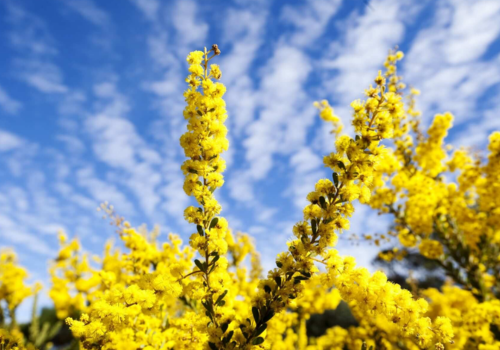
• Golden wattle (Acacia pycnantha)

Meet Adelaide’s Butterflies

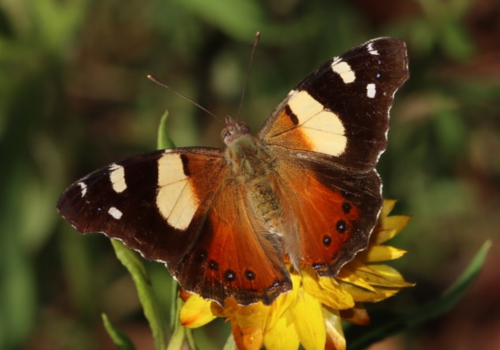
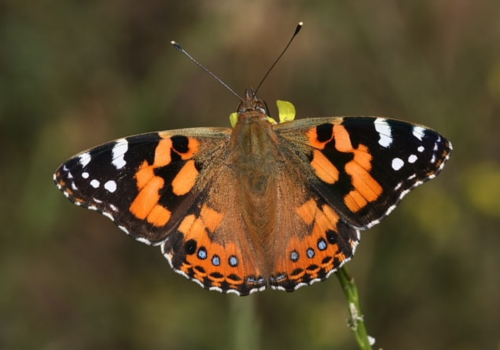
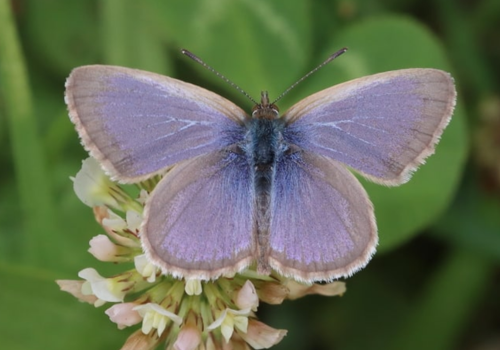
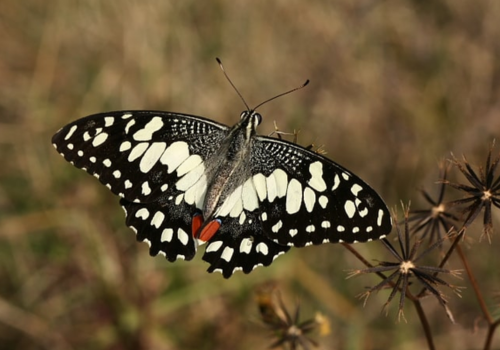
Around Adelaide, keep an eye out for butterfly species such as the Australian Admiral, Australian Painted Lady, Common Grass Blue, and Chequered Swallowtail.

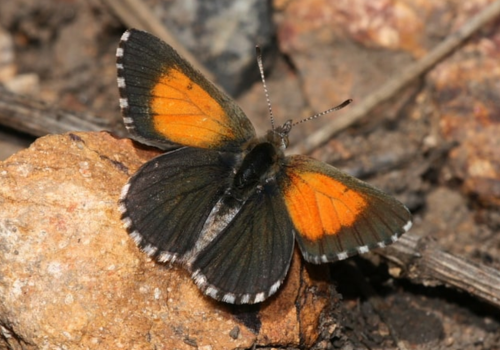
You might also spot the Chequered Copper, which is a species of conservation interest. With much of is habitat now lost, this species has made its home in Adelaide’s city parklands, making the habitat you create in your backyard more vital than ever.

Australian Admiral

placeholderPhotograph by Martin Purvis

Australian Painted Lady

placeholderPhotograph by Martin Purvis

Common Grass Blue

placeholderPhotograph by Martin Purvis

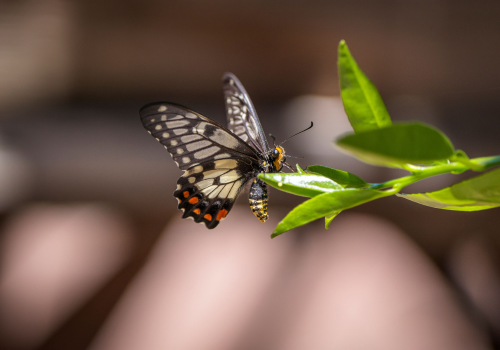
Chequered Swallowtail

placeholderPhotograph by Martin Purvis

Chequered Copper

placeholderPhotograph by Martin Purvis

Creating a home

Butterflies need more than just food.

A mix of flowering plants, shrubs and grasses provides shelter from wind and hot weather. Flat rocks in sunny spots give butterflies a place to warm themselves, while a small patch of damp soil provides minerals and moisture.

Embracing the wild and leaving a few areas of your garden in its natural state can also make a big difference. Letting your lawn grow a little longer in a small patch and leaving some branches and leaf litter behind can provide habitat for not only butterflies, but also a wide range of other beneficial insects.

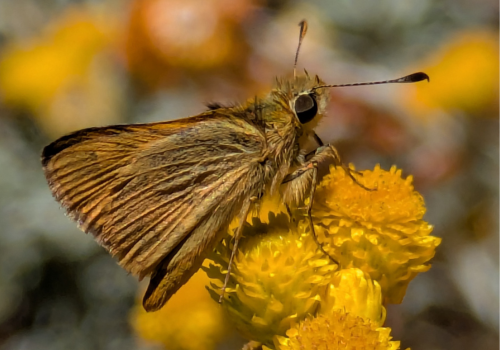
butterfly

swallowtail-butterfly

Keep things natural

Pesticides and herbicides can easily harm butterflies and caterpillars – even when they aren’t the intended target.

Luckily, you don’t need harsh chemicals to keep your garden lovely and lush.

If you’re keen to get rid of your weeds, try hand pulling them or covering them with a layer of organic leaf litter or sugar cane mulch. For smaller weeds growing in your pavement, try using boiling water for a non-toxic alternative. Simply pour a little over the top of the weed and where the stem meets the ground, making sure not to burn yourself in the process.

All of these can help control weeds without causing any long-lasting damage to the surrounding area and species.

A healthy, diverse garden is often the best defence against garden pests. Embrace a few chewed leaves – it is a sign that caterpillars are using your garden exactly as intended!

Every garden helps

As native habitat continues to decline, gardens are becoming increasingly important for local wildlife.

You don’t need a huge space to make a difference. A handful of well-chosen native plants can help butterflies move across suburbs, find food, and breed.

If more people create butterfly-friendly gardens, we can help support healthier populations of South Australia’s native butterflies together.

butterfly

Did you know?

Butterflies taste with their feet! Tiny sensors on their feet help them identify the right plants for feeding and laying eggs.
Solar power! As cold-blooded insects, butterflies need to warm themselves on rocks, paths or leaves before taking flight.
Mud on the menu. Through a behaviour called ‘puddling’, butterflies sip mud to absorb essential minerals and salts missing from nectar alone.
South Australia is home to incredible native species. Butterflies such as the Australian Admiral, Chequered Swallowtail and the conservation-significant Chequered Copper all rely on healthy native habitats to survive.
Your garden can help! Even a few carefully chosen native plants can create valuable habitat and become part of a network of butterfly-friendly spaces across South Australia.

What to learn more?

Butterfly Conservation South Australia has excellent resources on local butterfly species, the native host plants they depend on and practical tips for creating butterfly-friendly gardens.

With the right mix of native flowers and caterpillar host plants, your garden can become an important part of conserving South Australia’s beautiful butterflies for the future!

placeholder

About Zoos SA

Zoos SA is a not-for-profit conservation charity that exists to connect people with nature and save species from extinction. Zoos SA acknowledges the Country on which we stand always was, and always will be, Aboriginal land and we pay our deepest respect and gratitude to Kaurna (Adelaide Zoo) and Ngarrindjeri (Monarto Safari Park) Elders, past, present and emerging. We undertake critical conservation work throughout Australia and acknowledge the traditional custodians of these lands.

Sign Up to Our Newsletter

Stay up to date with zoo news and sign up to our Zoo Times eNewsletter