Zoos SA

Zoos SA is working towards a greener future through innovative solutions and creative initiatives

One of the leading causes of extinction is habitat loss or destruction. As a conservation charity that exists to save species from extinction, we are committed to reducing our carbon footprint and waste to landfill, increasing our circular economy projects and encouraging positive behaviour change to help combat loss of wild habitats.

We work with operators who are committed to using resources wisely and contributing to conserving the environment.

As leaders in conservation education, we are in a unique position to showcase environmental sustainability and inspire our visitors to take action in their own lives.


We’re certified through Ecotourism Australia’s world leading ecotourism certification program.

This means that when you visit us, you are supporting a business that is backed by a strong, well-managed commitment to sustainable practices and provides high-quality nature-based tourism
experiences. Our certification demonstrates our commitment to:

  • Looking after our natural environment
  • Offering quality interpretation and educating guests
  • Supporting and engaging our local community
  • Reducing our carbon footprint
  • Protecting our unique wildlife and endangered species
  • Making real contributions to conservation
  • Helping to preserve Australian Indigenous cultures
  • Providing an unforgettable, high-quality guest experience

The Ecotourism Australia Certification programs are recognised by the Global Sustainable Tourism Council (GSTC).

Visiting sustainably

Climate change is already impacting species and their habitats in Australia and around the world. By adopting more sustainable practices we can help reduce the impact of climate change.

During your visit to our sites, reduce your impact on the earth by taking sustainable actions.

  • Bring your own reusable bottle to fill up at water stations around our sites.
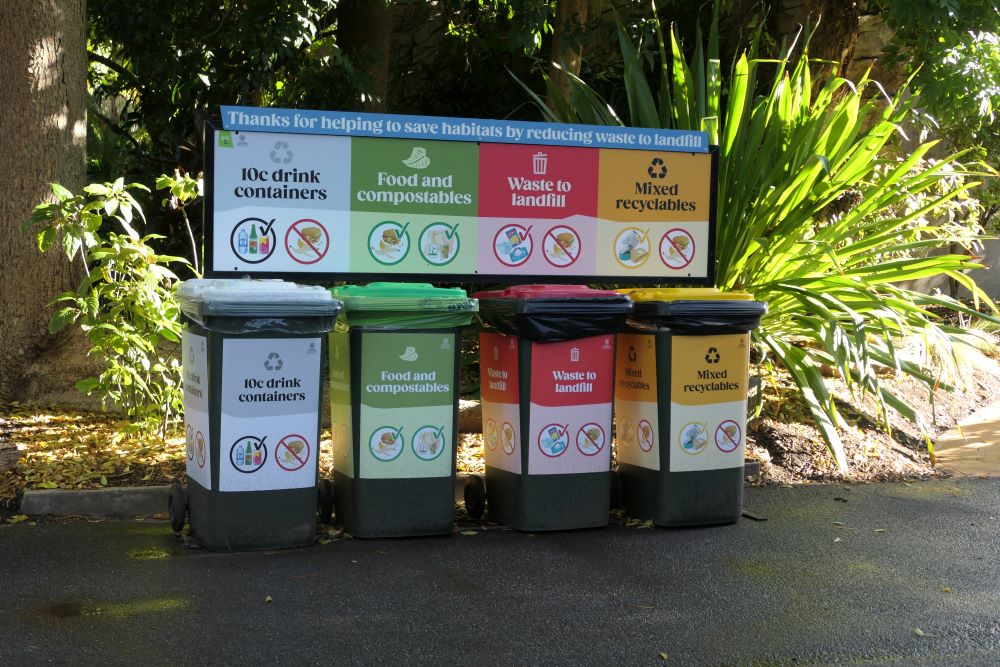
  • Place all rubbish in the correct bins, to reduce waste to landfill.
  • Choose sustainable transport options to and within the zoo and park.

Energy

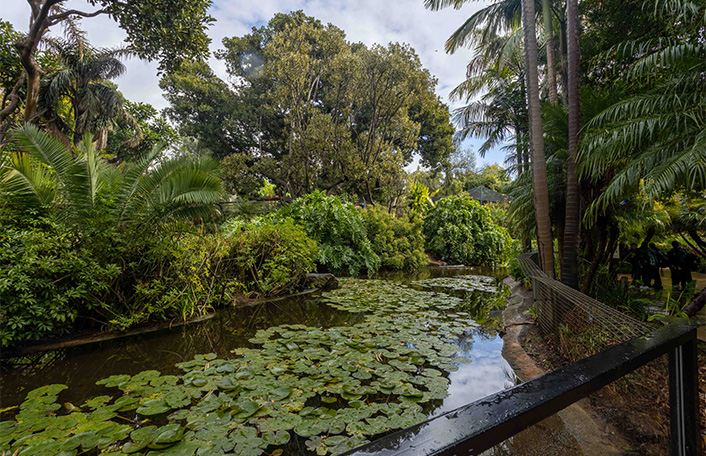
Zoos SA has put all the water feature pumps in habitats, boards and all ponds and water features on programmable timers so that over a three year period we save 270,000 kWh which is the equivalent of 175 tonnes of CO2-e.

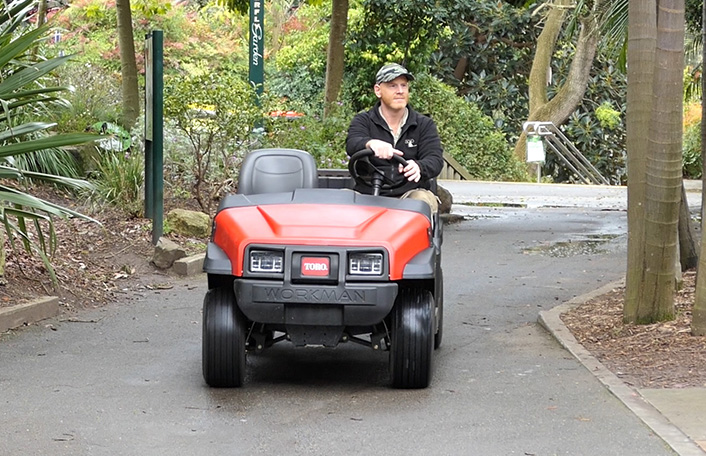
Thanks to a corporate partnership with Toro Australia, the horticulture team at Adelaide Zoo use battery-operated vehicles, whipper snippers, blowers and tools, helping to reduce their carbon footprint and saving around 77 litres of petrol every week. This also has positive welfare benefits for the animals as there is less noise impact.

Water

Major savings have been achieved in bore water use at Adelaide Zoo with infrastructure upgrades realising a 76% reduction in groundwater consumption.

In June 2014, Zoos SA partnered with SA Water to design a web-based water management tool, smart meters. This gives us real time data to identify water leaks and unusual usage patterns that can be addressed quickly to deliver future water savings.

SA Water continue to support with Zoos SA on water related projects including efficient ways to fill the waterholes in Monarto Safari Park’s Wild Africa precinct.

Electricity

Adelaide Zoo have reduced our reliance on grid energy by 20 per cent since 2012 by implementing changes like switching existing lighting throughout the zoo and park to more energy efficient LED lighting.

The installation of programmable times into habitat water features also ensures energy is not wasted pumping water when it wasn’t needed.

Solar power

Solar panels can be found on every available rooftop in Adelaide Zoo powering various systems across the site and supplying over 300,000kW of energy per year – that’s enough to power a light bulb for over 580 years!

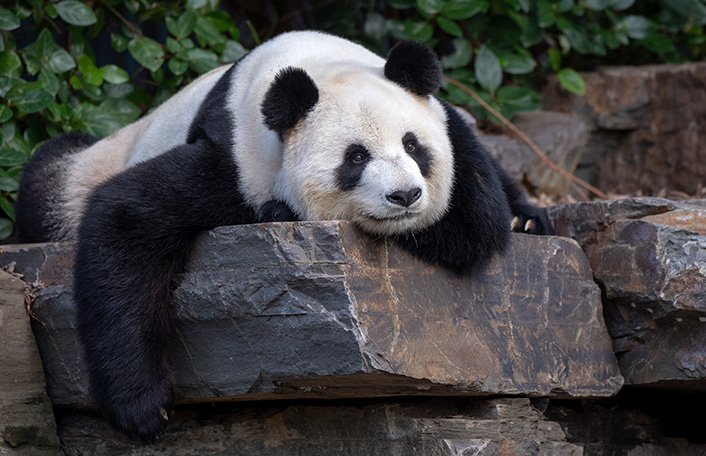
One of the most innovative installations was created for Giant Pandas, Fu Ni and Wang Wang, who enjoy a state-of-the-art climate-controlled habitat including heated and cooled rocks powered by solar energy to ensure they stay warm in winter and cool in summer.
Reduce, reuse and recycle

We work with our waste management partners to make sure rubbish thrown away on site is properly sorted and recycled according to type. This includes hard and soft plastics, glass, cardboard and paper, organic waste, metals, timber, polystyrene and e-waste.

Working with local organisations, we also seek to reuse existing materials, giving new life to items such as retired fire hoses for enrichment in the Chimpanzee habitat or using old railway sleepers for perimeter fencing around Monarto Safari Park.

All printed materials like zoo and park maps and handouts use FSC-certified paper stock, which has been harvested and produced in a responsible way.
Plastics

Single use plastics are an environmental disaster, especially when they enter waterways and the ocean, affecting sea life and causing injury or death to many animals like sea lions.

Zoos SA has been at the forefront of reducing single use plastic, banning plastic straws and the use of balloons on site, and removing plastic bags from retail outlets well before government regulations.

In 2022, Adelaide Zoo and Monarto Safari Park were named Plastic-Free Champions for eliminating key items including straws, non-certified compostable coffee cups and lids, cutlery, plates, cups and bags.

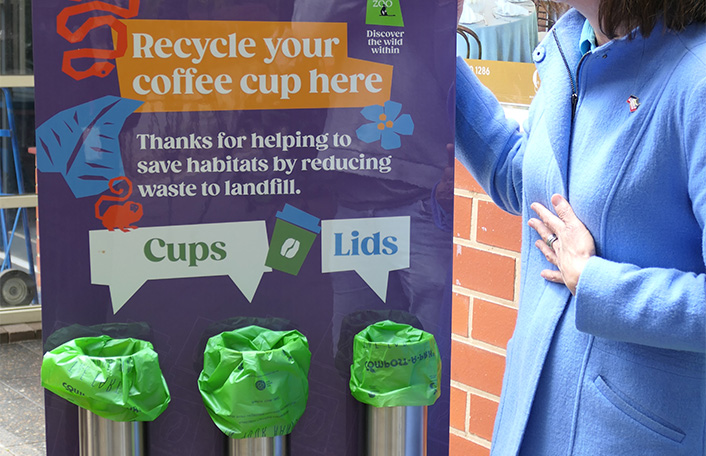
In 2022 we introduced coffee cup composting stations at the zoo’s two cafes, diverting as many as 44,000 bio-coffee cups from the landfill stream within the first 12 months.
Milk-on-Tap

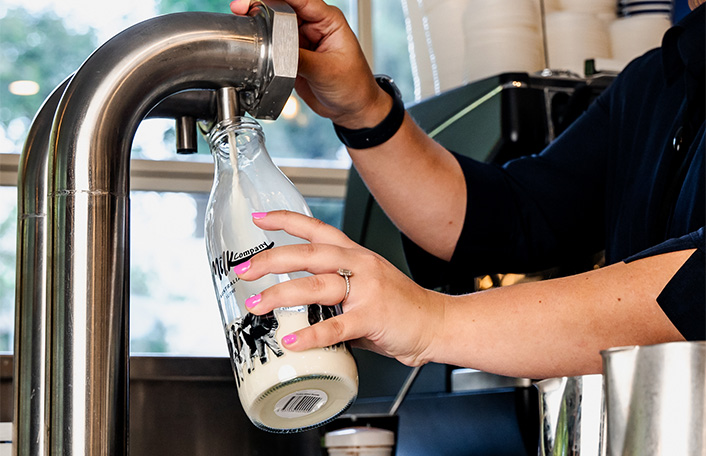
Zoos SA has joined forces with renowned local dairy producer Fleurieu Milk Company and Quality Catering to combat single-use plastics. The partnership will see Fleurieu Milk Company’s whole and skim milk products on tap at Adelaide Zoo’s Fig Tree Café.

By making the switch, we’re saving 10,000 plastic bottles from ending up in landfill every year!

Plastic pollution poses a huge threat to all species and by eliminating plastic milk carton waste, we can have a direct impact on protecting local habitats of our native species.

Green roofs and walls

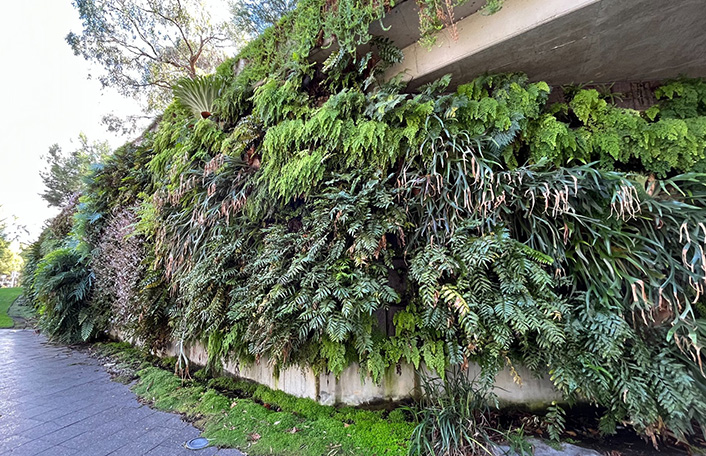
Adelaide Zoo is home to the first ever, and now largest area of green roofs and walls in South Australia.

Green roofs and walls have been proven to provide increased insulation, thereby reducing heating and cooling requirements of buildings and lowering energy usage, capture water during storm events, holding the water for slow release to prevent overloading of the storm water system, and increase biodiversity and in doing so attract animals and insects.

The sustainability of Monarto Safari Park’s Visitor Centre

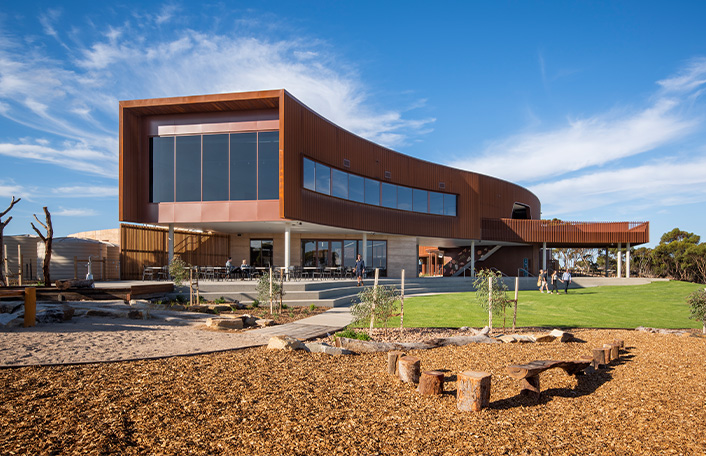
Monarto Safari Park’s new Visitor Centre opened in March 2022 to welcome even more adventurers and elevate the visitor experience. Working with Mossop Construction + Interiors, Zoos SA opted for maximising the optimal orientation with high performance double-glazed windows reducing the need for unnecessary energy consumption.

Using natural materials of rammed earth and corten steel complement the surrounding environment and provide passive cooling and insulating properties with little to no ongoing maintenance. And, the little paint that the building requires was carefully chosen to contain low volatile organic compounds thereby creating fewer emissions.

The entire South West quadrant of the roof is covered in solar panels. When heating or cooling is required, the centre is filled with high efficiency heating and cooling units which, along with the rest of the building, are run by electricity provided by renewable technology initiatives such as the Solar PV generation system which converts solar radiation into electricity by utilising photo-voltaic technology. The Visitor Centre is also fitted with motion sensor LEDs that ensure lighting is controlled and efficient.

Rainwater is collected and used for toilets and irrigation throughout the centre with facilities featuring water efficient taps and fixtures.

About Zoos SA

Zoos SA is a not-for-profit conservation charity that exists to connect people with nature and save species from extinction. Zoos SA acknowledges the Country on which we stand always was, and always will be, Aboriginal land and we pay our deepest respect and gratitude to Kaurna (Adelaide Zoo) and Ngarrindjeri (Monarto Safari Park) Elders, past, present and emerging. We undertake critical conservation work throughout Australia and acknowledge the traditional custodians of these lands.

Sign Up to Our Newsletter

Stay up to date with zoo news and sign up to our Zoo Times eNewsletter