Zoos SA
Bird flu and what it means for your visit: Learn about the precautionary measures we're taking and what to expect during your visit.

Welcome to Adelaide Zoo learning!

Please book a minimum of two weeks in advance to qualify for the education concession prices and adult free rations.

Student pricing:

Student (all ages)$16.50
Student with educator-led program$21.00
Student with Wild Walks Tour$19.50
Zoos SA members gain free entry (a program fee will be added if undertaking an educator-led program)

Equity student discount:

Category 1-4 and SA rural schools, Early Childhood Education Category 1-2$13.00
Equity student with educator-led program$17.50
Equity Student with Wild Walks Tour$16.00
University/TAFE and other adult groups$19.60

Adult ratios for school groups:

Junior Primary (Kindergarten - Year 3)1 free adult per 5 students
Primary (Year 4-6)1 free adult per 10 students
Secondary/Tertiary1 free adult per 15 students
Mix of Primary ages1 free adult per 8 students
Additional adults:
$42.00 each. Concession card holders $32.00 each.

Please note that students with Zoos SA Membership are not included in the free ratios listed above. These apply to paying students only.

Explore Adelaide Zoo with one of our expert Conservation Educators. Journey through the zoo and dive into conversations about wildlife, conservation, and the role of zoos today.
On request themes:

  • Biomes (Yr 9)
  • Conservation (Yr 7 – 12)
  • Zoo Ethics (Yr 9 – 12)
  • Have a specific topic you’d like explored? Let us know and we might be able to tailor it for your students’ needs

Cost: $3 per student (30 mins).

This program focuses on understanding the impacts of human populations on Indonesian wildlife. Students will construct a food web using key species found at Adelaide Zoo to represent the impact poaching and habitat change have on individual species and the ecosystem as a whole. Students will be inspired to take conservation action whilst learning about sustainable palm oil production.

Curriculum Connection (ACARA v9):

Year 7 Biological Sciences: use models, including food webs, to represent matter and energy flow in ecosystems and predict the impact of changing abiotic and biotic factors on populations

Duration: 45 minutes

This program explores the relationship between biomes and food security. Through collaborative, critical-thinking activities, students investigate how deforestation, habitat needs, food production and consumption affect threatened species. By the end of the session, students will be able to analyse the environmental, economic and social factors impacting threatened species in both Australia and Indonesia.

Curriculum (ACARA v9):

  • Year 9 Geography: the distribution and characteristics of biomes as regions with distinctive climates, soils, vegetation and productivit
  • Year 9 Geography: the effects on environments of human alteration of biomes to produce food, industrial materials and fibres
  • Year 9 Geography: the environmental, economic and technological factors that impact agricultural productivity, in Australia and a country in Asia

Duration: 45 minutes

This program introduces students to the variety of career paths available within a zoo environment and the broader animal industry.

Students will learn about the different training and skills required for these roles with a focus on the animal care field. The presentation includes hints and tips regarding subject choice and post-secondary study for students interested in pursuing this career path.

Duration: 45 minutes

This program explores the interconnected elements of biodiversity, including genetic, species and ecosystem diversity. Students investigate the relationship between climate change and biodiversity, examine key threats to wildlife, and consider personal actions that support conservation. Through collaborative activities, students analyse the challenges facing animals and evaluate responses to current environmental issues.

Stage 1 Biology: Biodiversity is the variety of all living things and includes diversity in genetics, species and ecosystems.

Stage 1 Biology: Humans have significant impacts on ecosystems.

Duration: 45 minutes

This session explores Adelaide Zoo as a transformational tourism site through the lens of sustainable tourism.

Designed for students in Tourism at Stage 1 or Stage 2, we cover the three interconnected aspects of sustainable tourism: socio-cultural, economic, and environmental. The session explores the zoo’s commitment to environmental sustainability, including wildlife conservation efforts, and implementation of sustainable practices.

Your conservation educator will showcase the zoo’s experiences, wellness program and reconciliation action plan that raise awareness about biodiversity, animal welfare and First Nations culture whilst highlighting the economic revenue streams generated by Adelaide Zoo.

By presenting specific examples, the session serves as a valuable primary source for investigation tasks, whilst providing practical examples to help students understand how Adelaide Zoo contributes to creating and managing sustainable tourism.

Duration: 45 minutes
Arranged via consultation with the Wild Learning team.

Experience Adelaide Zoo After Dark!

Program 5pm-9pm | Arrival between 9.30am-5pm

Discover the animals in our nocturnal habitats, meet an animal up close, and explore the zoo on a private night walk.
This cost-effective evening tour suits groups who want to experience the zoo after dark, but do not have the ability to stay overnight.

Find out more

Spend a wild night at Adelaide Zoo!

Learn about the animals, their habitats and key conservation programs on a private night walk around the zoo.
Meet an animal up close and wake up to the sounds of native and exotic wildlife!

Find out more

See monkeys, snakes, pelicans and more, plus the only Giant Pandas in Australasia on a wild excursion in an immersive natural setting.

If you would like to explore Adelaide Zoo on a self-guided visit (with no Educator-led program), students are still eligible to receive the group discounted rate.

Select self-guided on the booking form to let us know when you are coming and to be invoiced for the discounted entry rate.

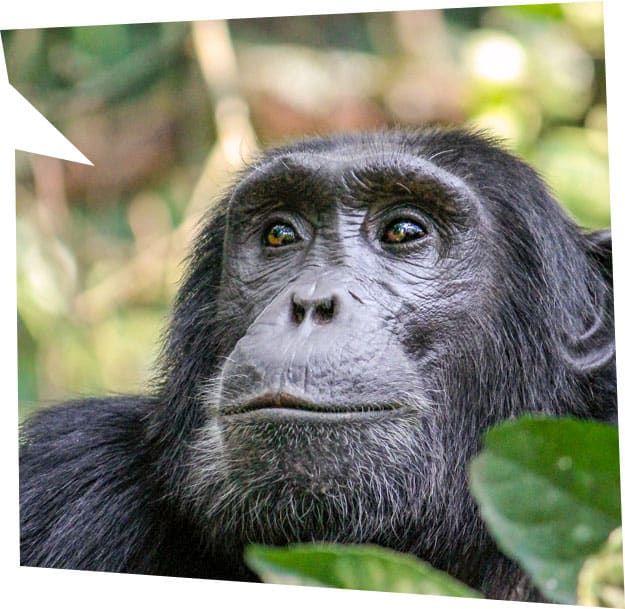
Recycle your old phones to help chimpanzees in the wild!

When you recycle your mobile phones at Adelaide Zoo or Monarto Safari Park, the funds generated through recycling supports on-ground work with Tacugama Chimpanzee Sanctuary and the Jane Goodall Institute Australia.

Tacugama have over 80 Chimpanzees in their Rehabilitation Centre and run community outreach, research and alternative livelihoods programs. The Jane Goodall Institute Australia are supporting education, research and community programs in the Democratic Republic of the Congo.

If you would like to incorporate phone recycling as part of a school visit, mention it to our Education team when making your booking.

Find out more

They're calling on you

About Zoos SA

Zoos SA is a not-for-profit conservation charity that exists to connect people with nature and save species from extinction. Zoos SA acknowledges the Country on which we stand always was, and always will be, Aboriginal land and we pay our deepest respect and gratitude to Kaurna (Adelaide Zoo) and Ngarrindjeri (Monarto Safari Park) Elders, past, present and emerging. We undertake critical conservation work throughout Australia and acknowledge the traditional custodians of these lands.

Sign Up to Our Newsletter

Stay up to date with zoo news and sign up to our Zoo Times eNewsletter