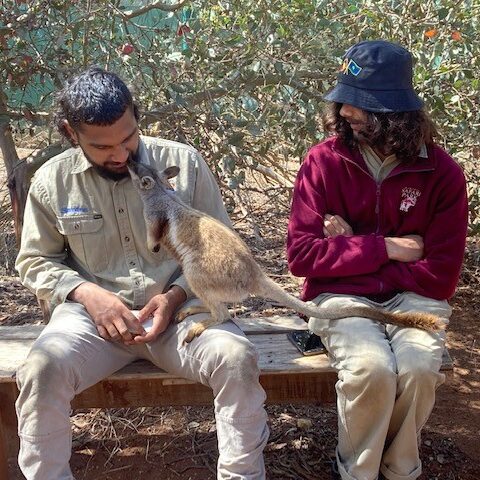
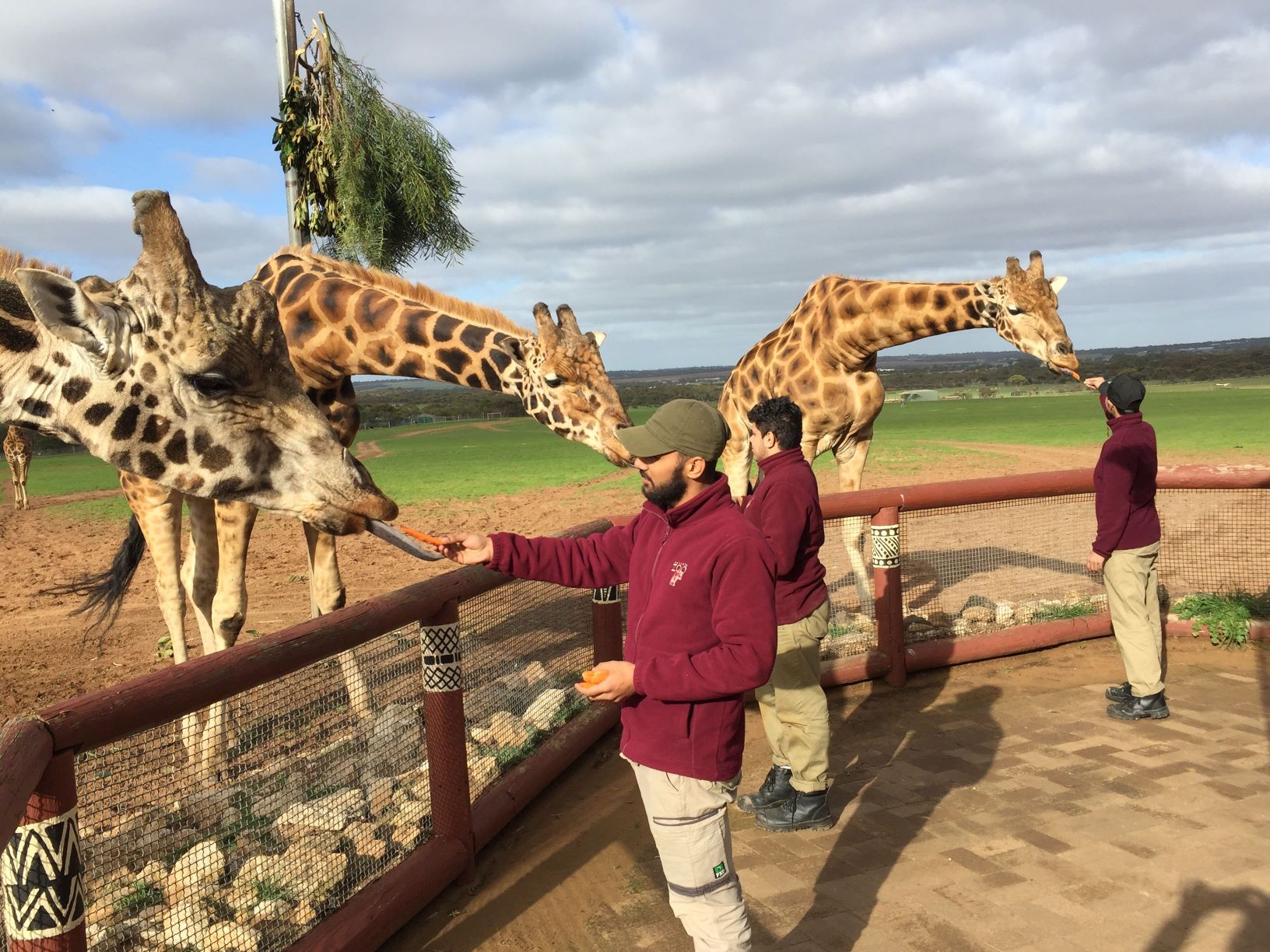
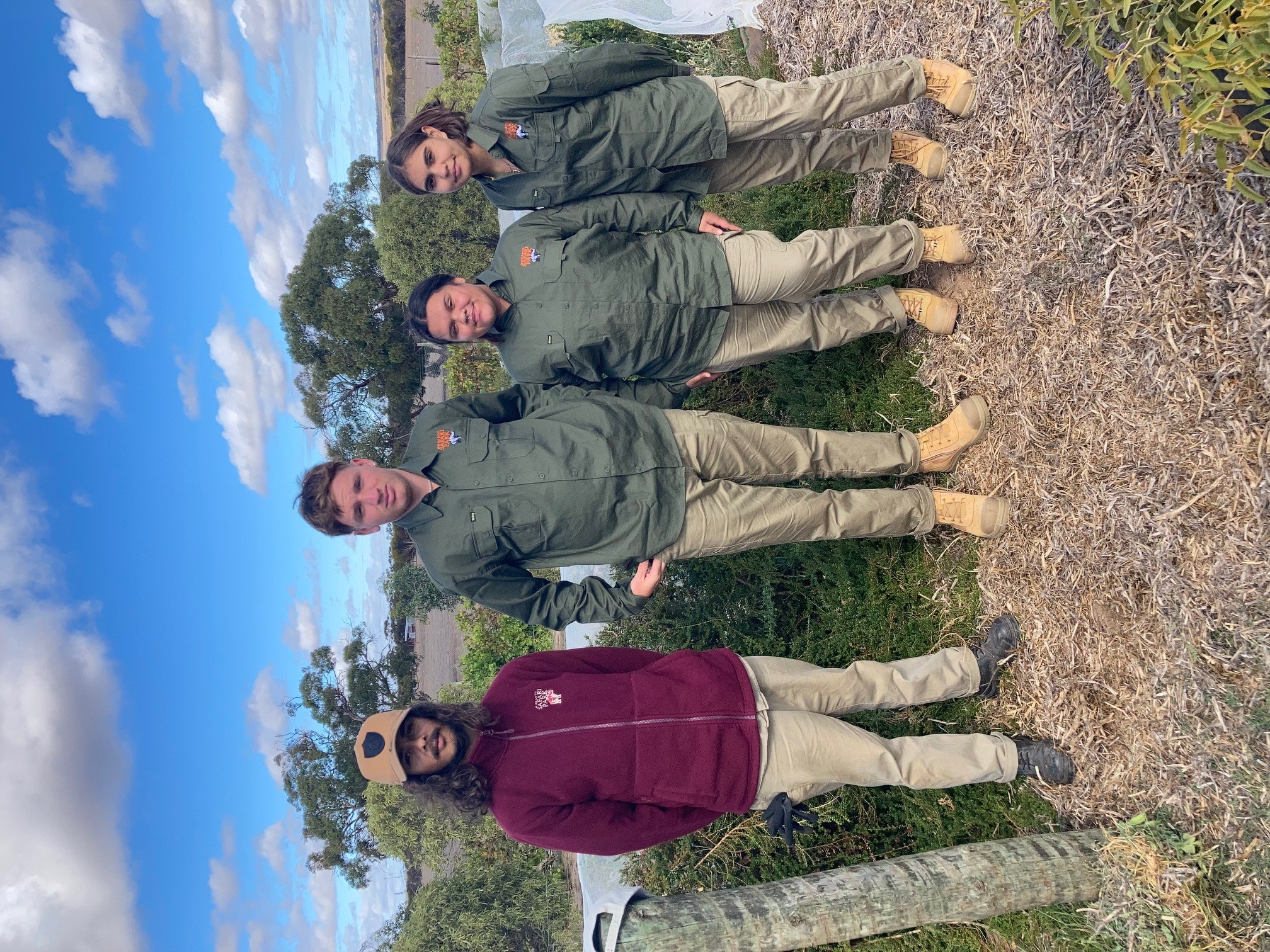
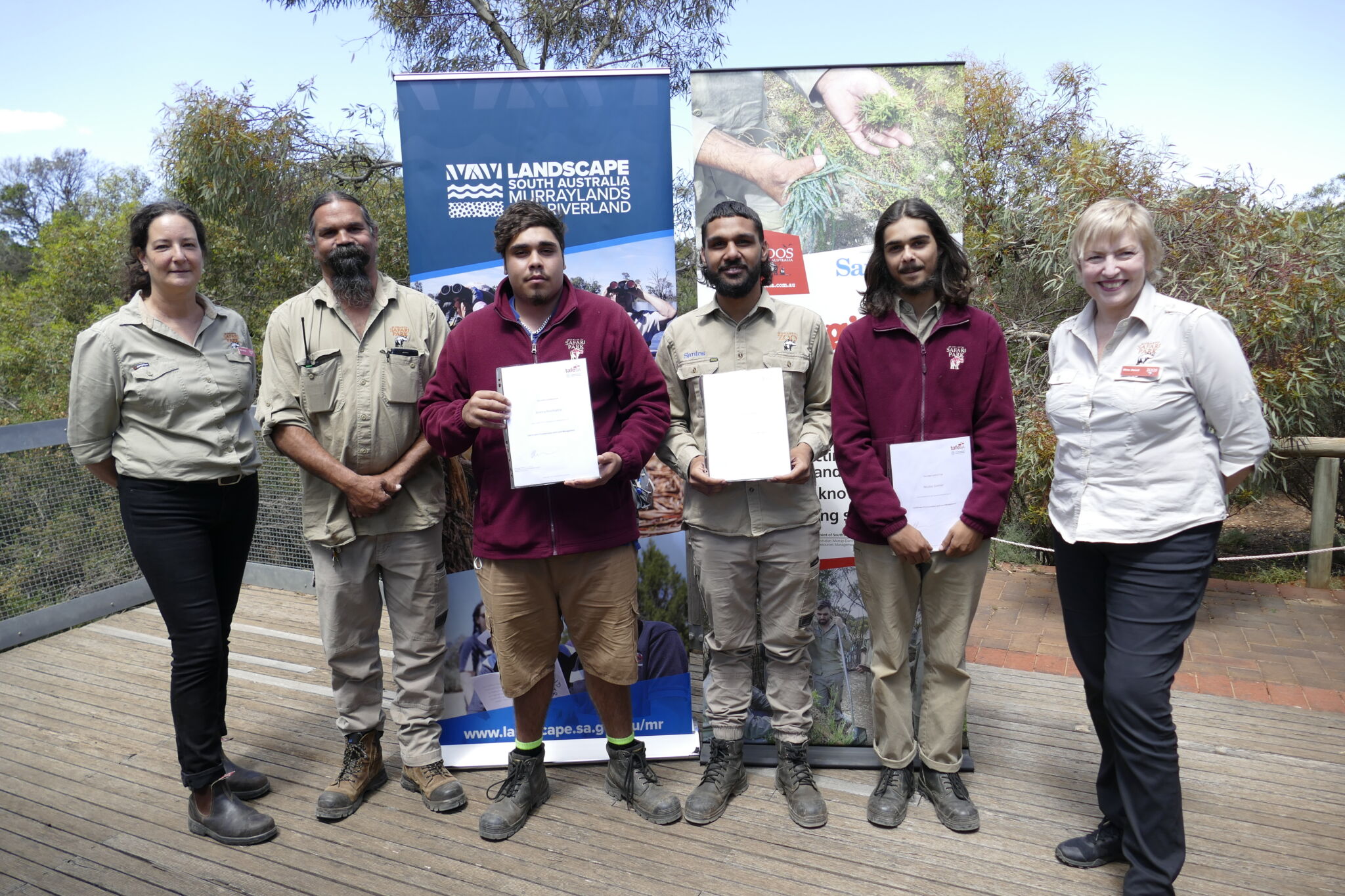
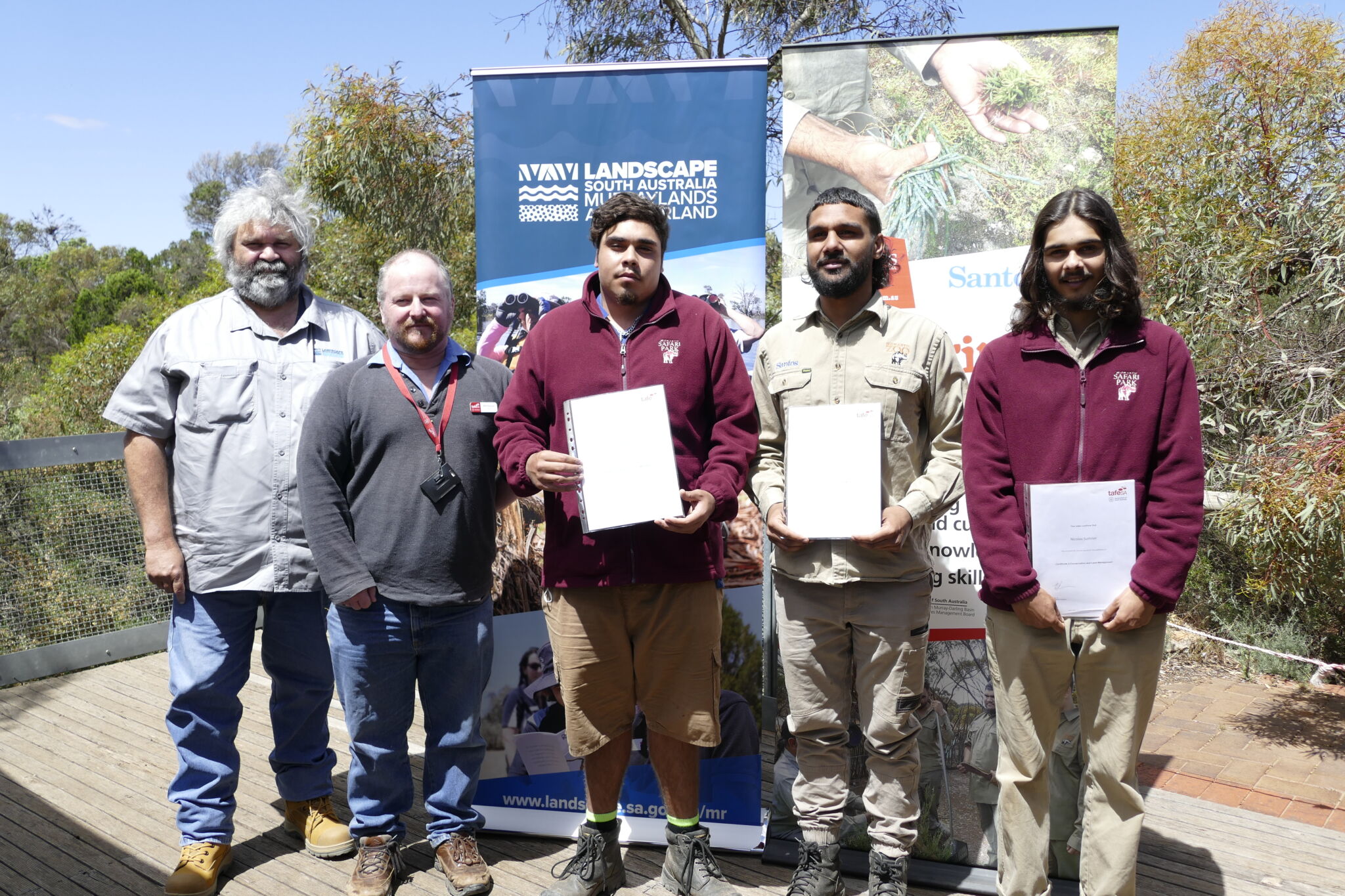
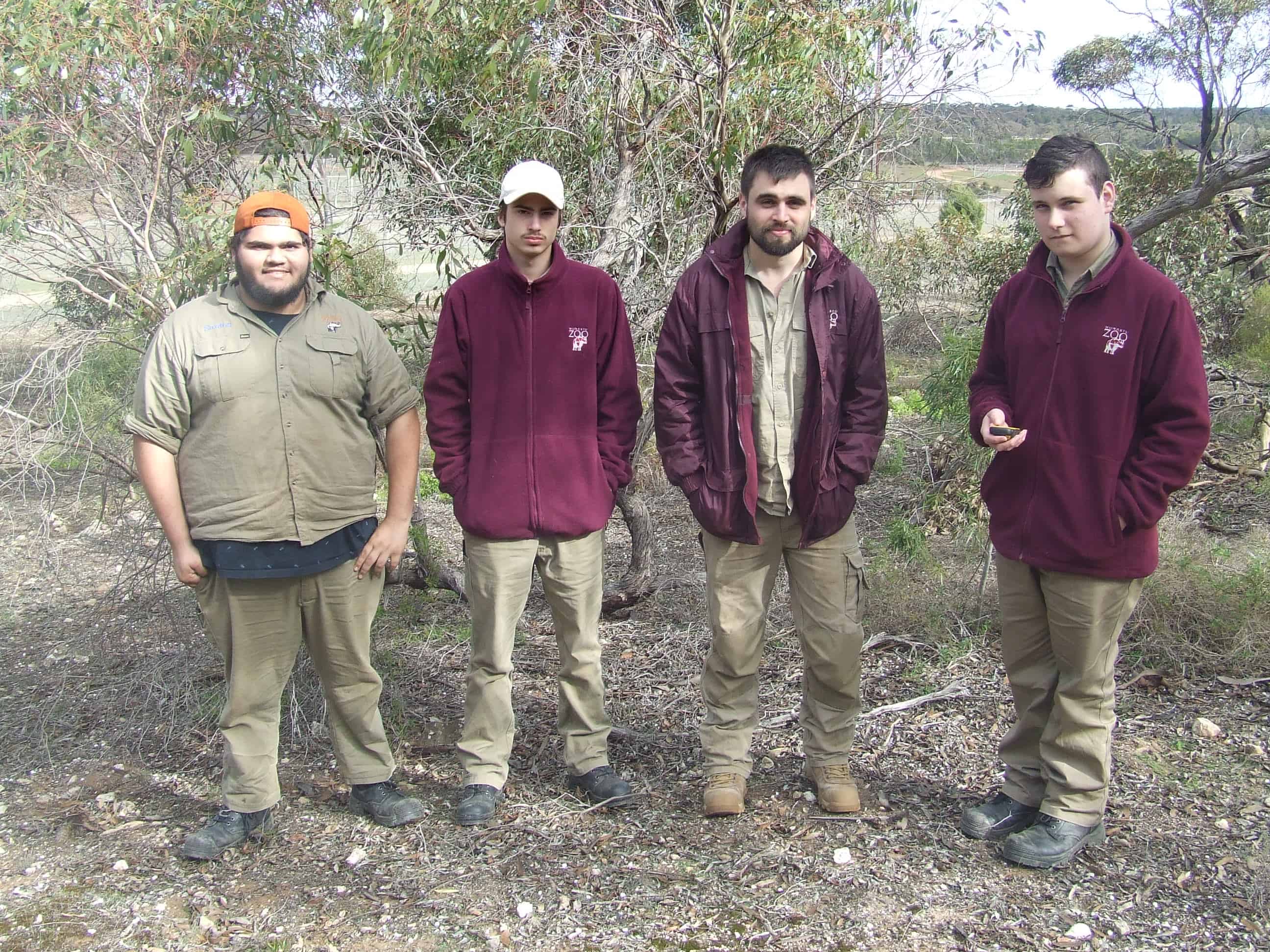
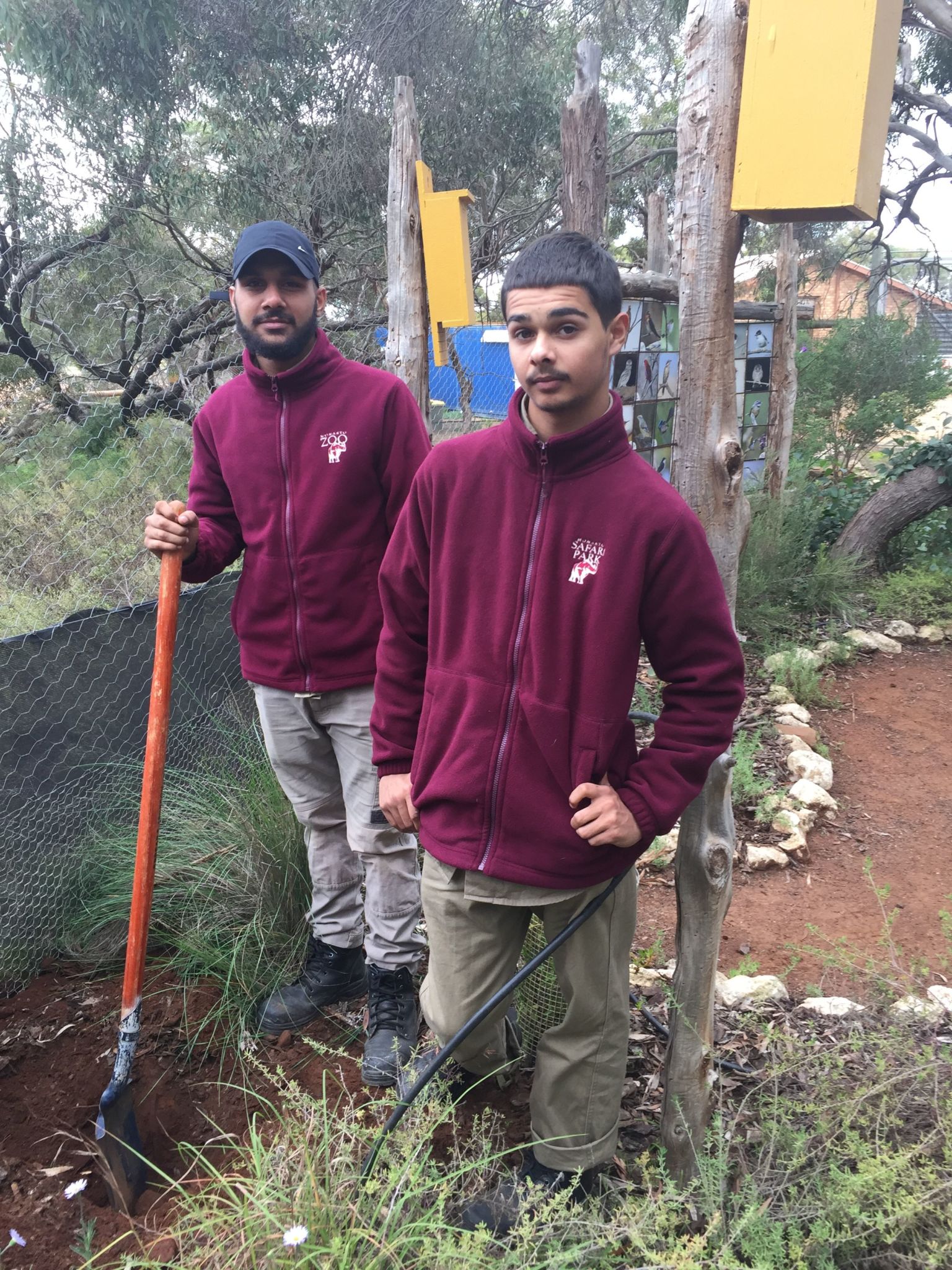
The purpose of the Zoos SA Aboriginal Learning on Country Program is to provide training and employment opportunities for Aboriginal people that will enable them to connect with country and develop skills and knowledge to contribute to conservation and land management outcomes at Monarto Safari Park and in the wider region and beyond.
Monarto Safari Park commenced its ALoC program in 2010 and since this time has supported 23 trainees to undertake conservation and land management training on site. 3 previous ALoC trainees have obtained ongoing work at Monarto Safari Park and we currently have one full-time and 3 school-based students at Monarto Safari Park.
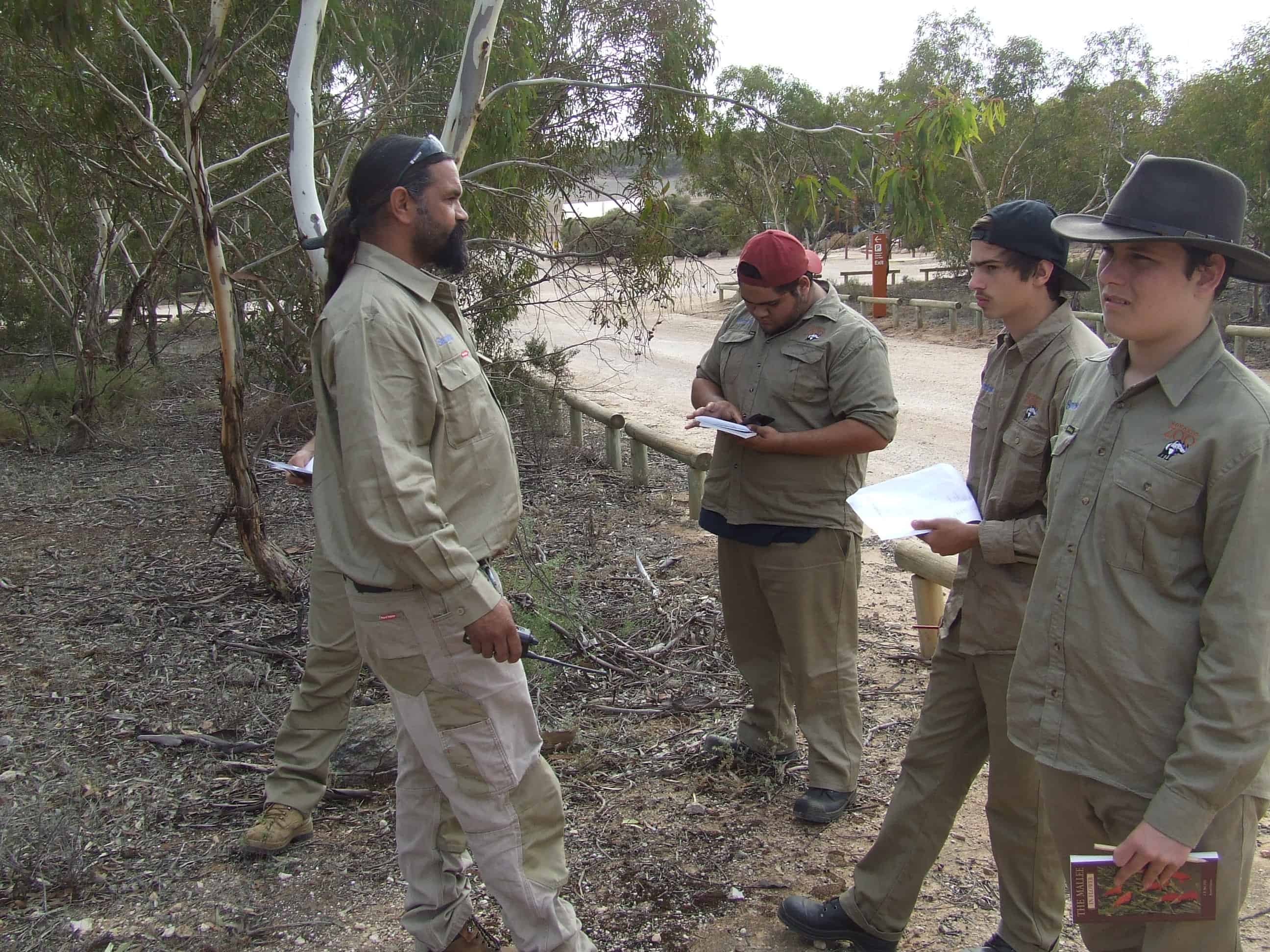
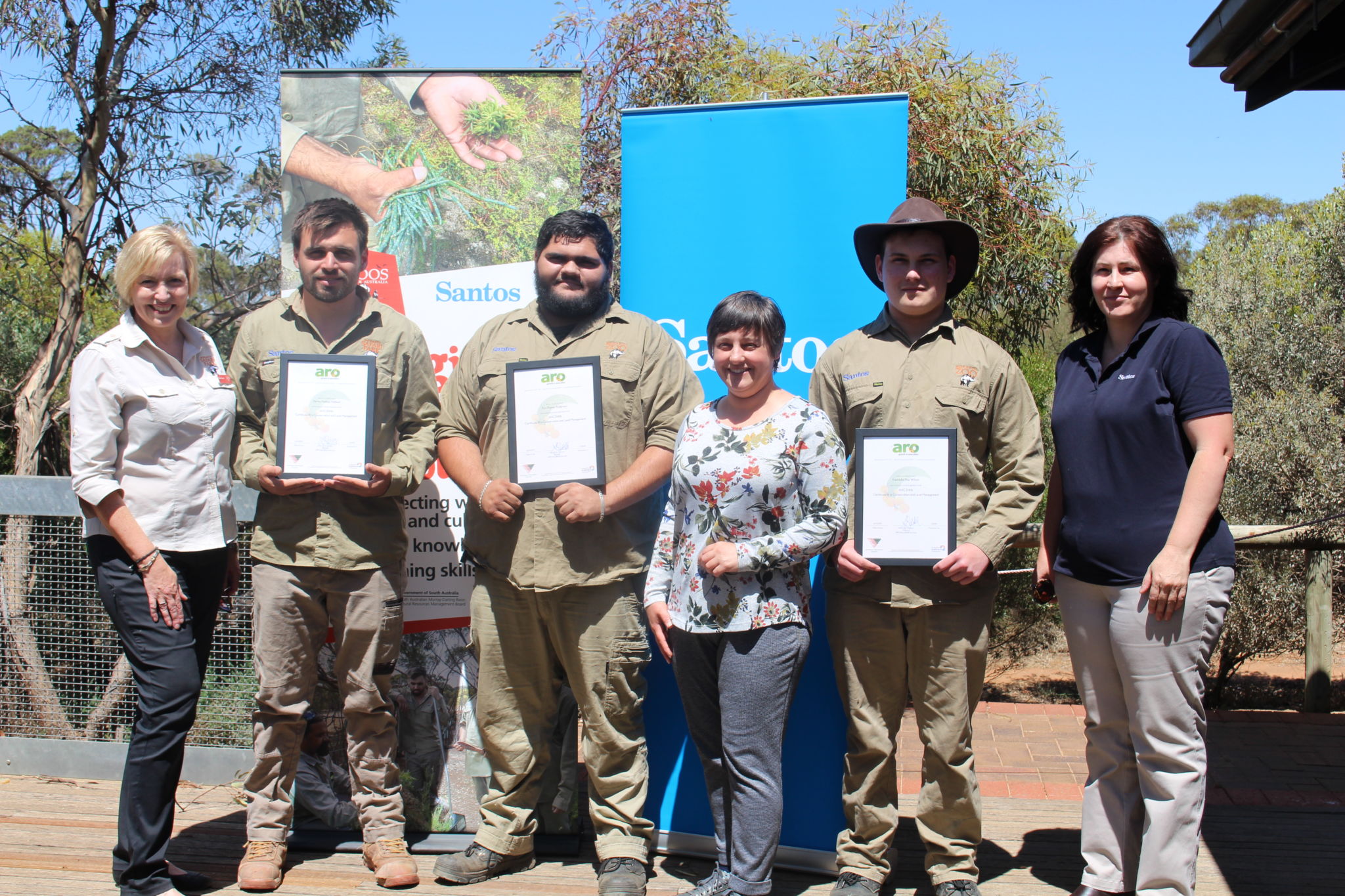
ALoC trainees undertake on-the-job and coursework training towards achieving a Certificate III and/or Certificate IV in Conservation and Land Management over two years. Our school-based trainees use their training towards achievement of the South Australian Certificate of Education (SACE).
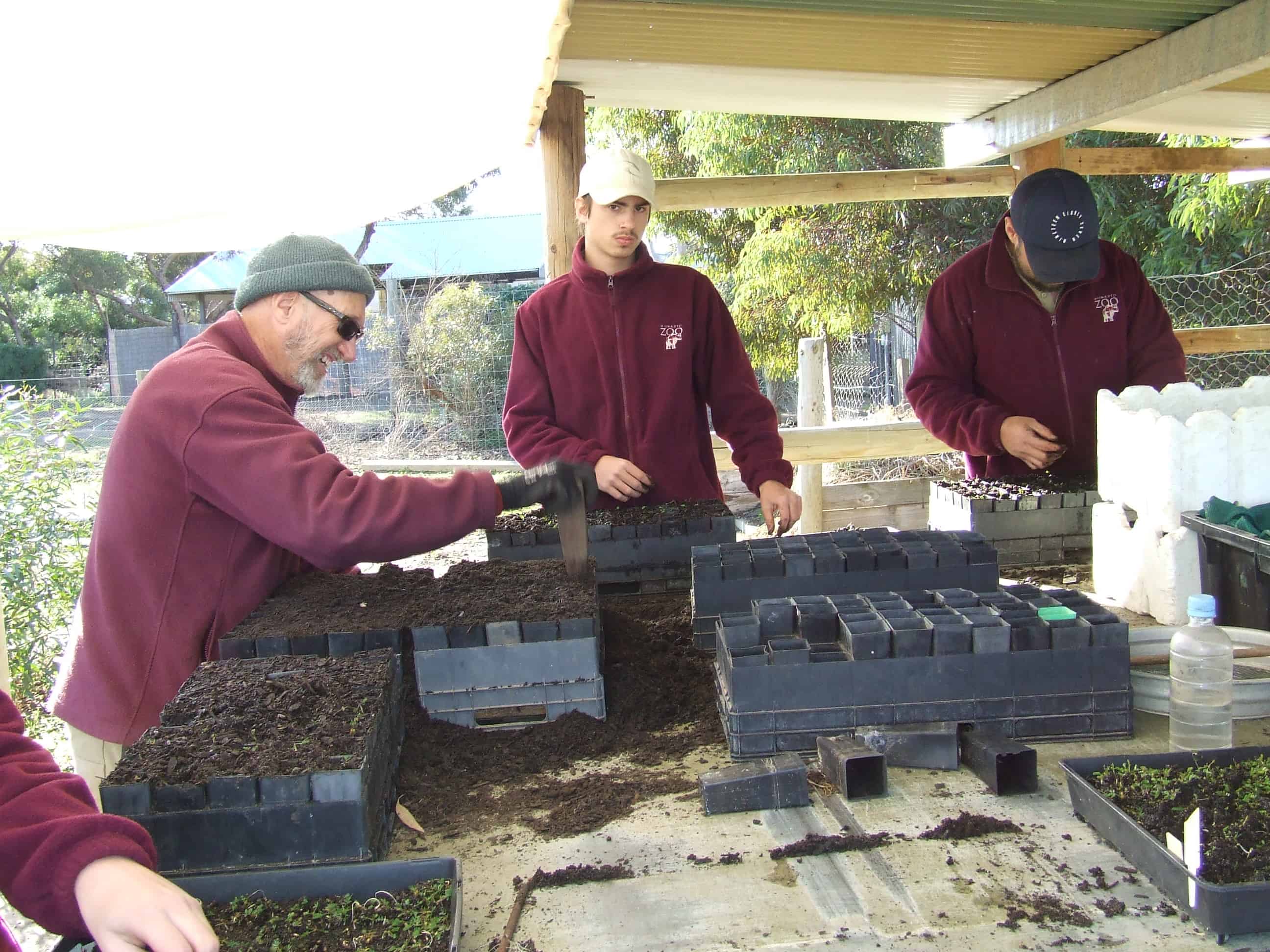
Activities that the ALoC Team undertake include:
Saving species from extinction
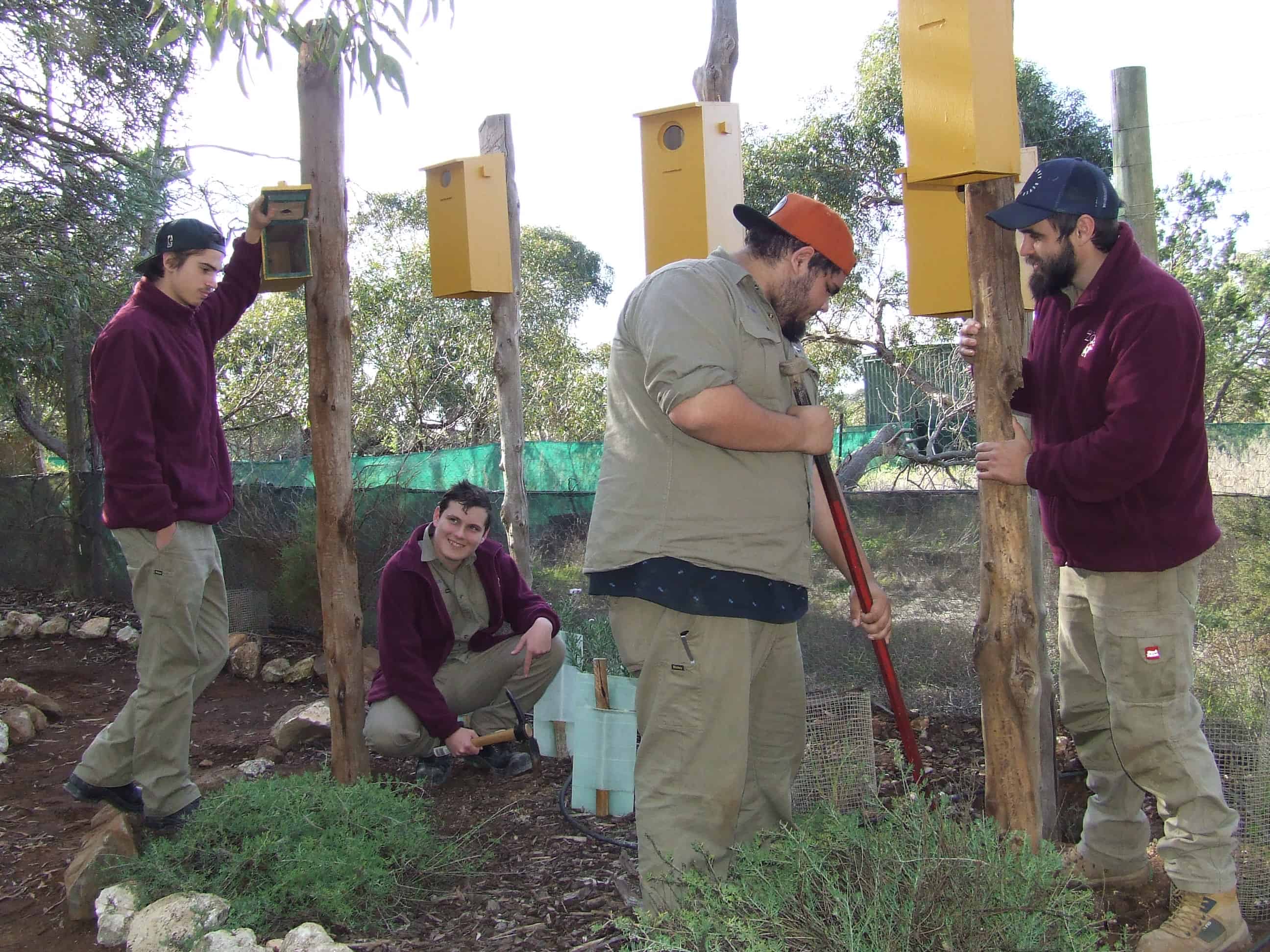
Protecting and restoring habitat at Monarto Safari Park for native animal species such as the barking gecko, woodland birds and the pygmy possum.
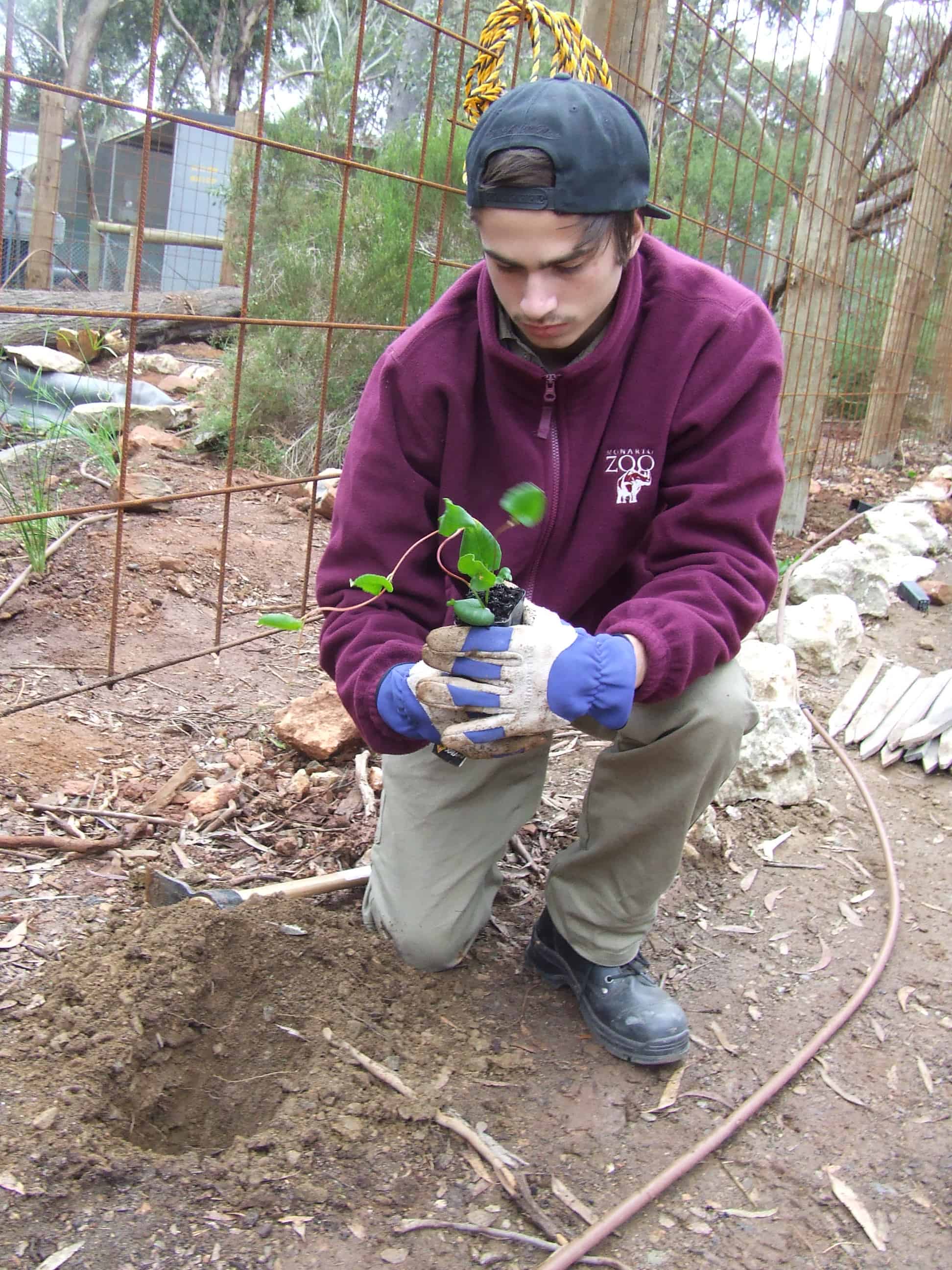
Protecting and restoring threatened plant species such as the Monarto Mint Bush.
Undertaking feral animal management at Monarto Safari Park and at Aroona Sanctuary; foxes, cats and rabbits are some of the feral animals that predate or compete with native animals and are one of the major threats to many native species.
Monitoring native species such as the Murray short-necked turtle; the team monitors turtle nests along the River Murray during breeding season and protects nests from being attacked by foxes and feral cats.
Assisting with Monarto Safari Park fauna conservation such as Pygmy Blue-tongue lizard and Mallee Emu-wren programs.
Connecting people with nature
Supervising volunteers, school and university groups in the field to build their skills and understanding of conservation.
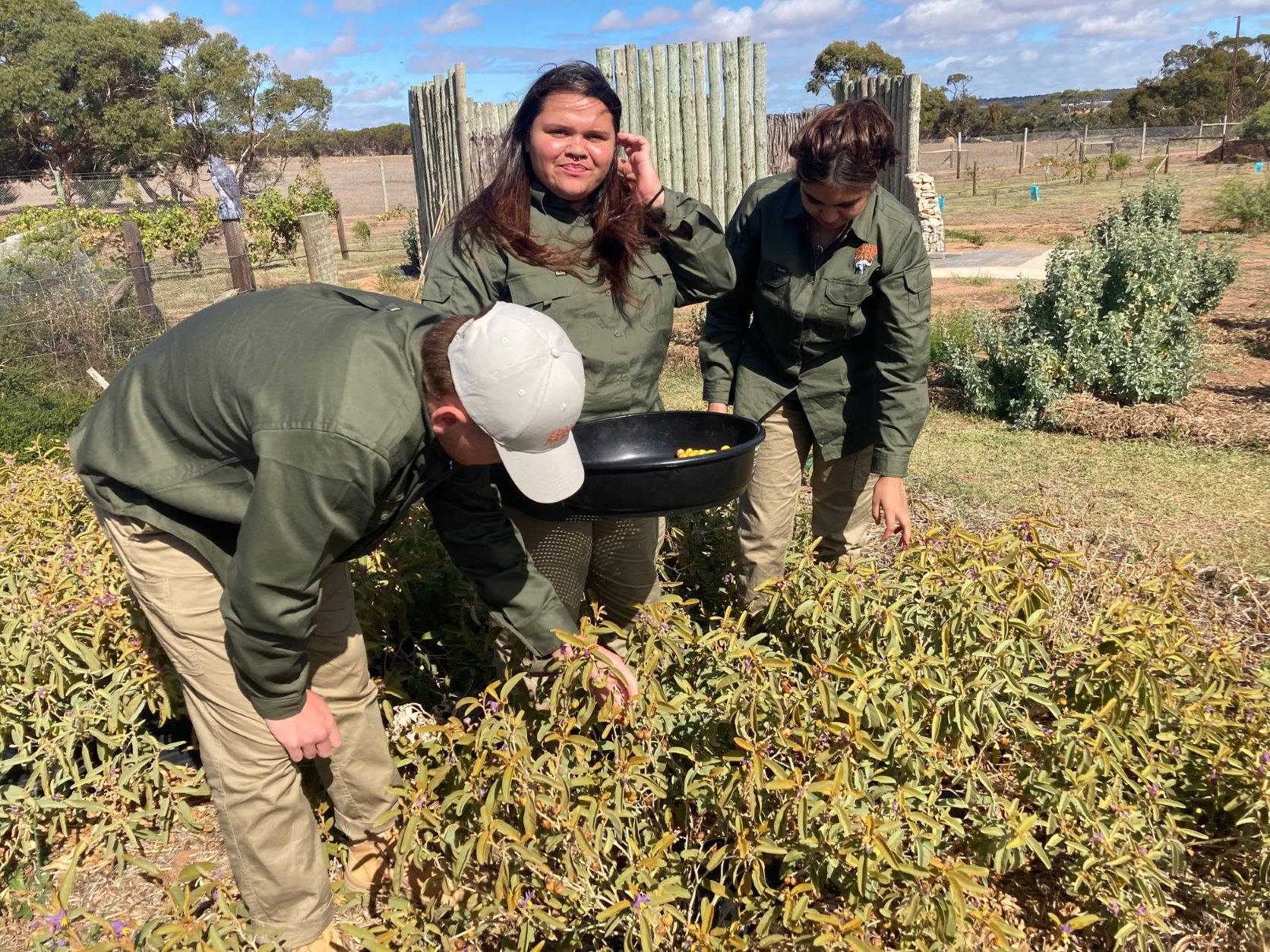
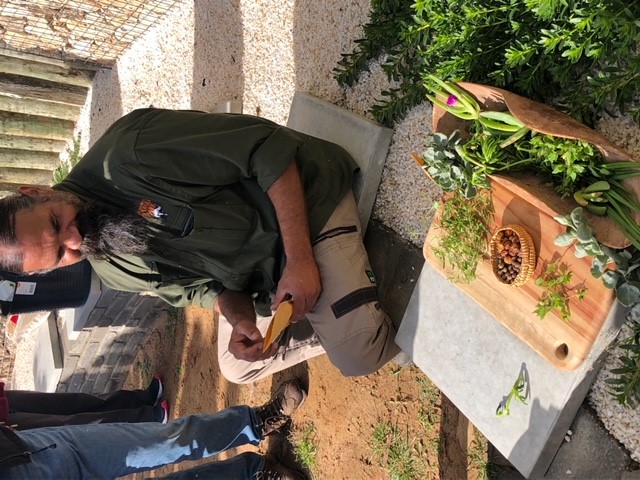
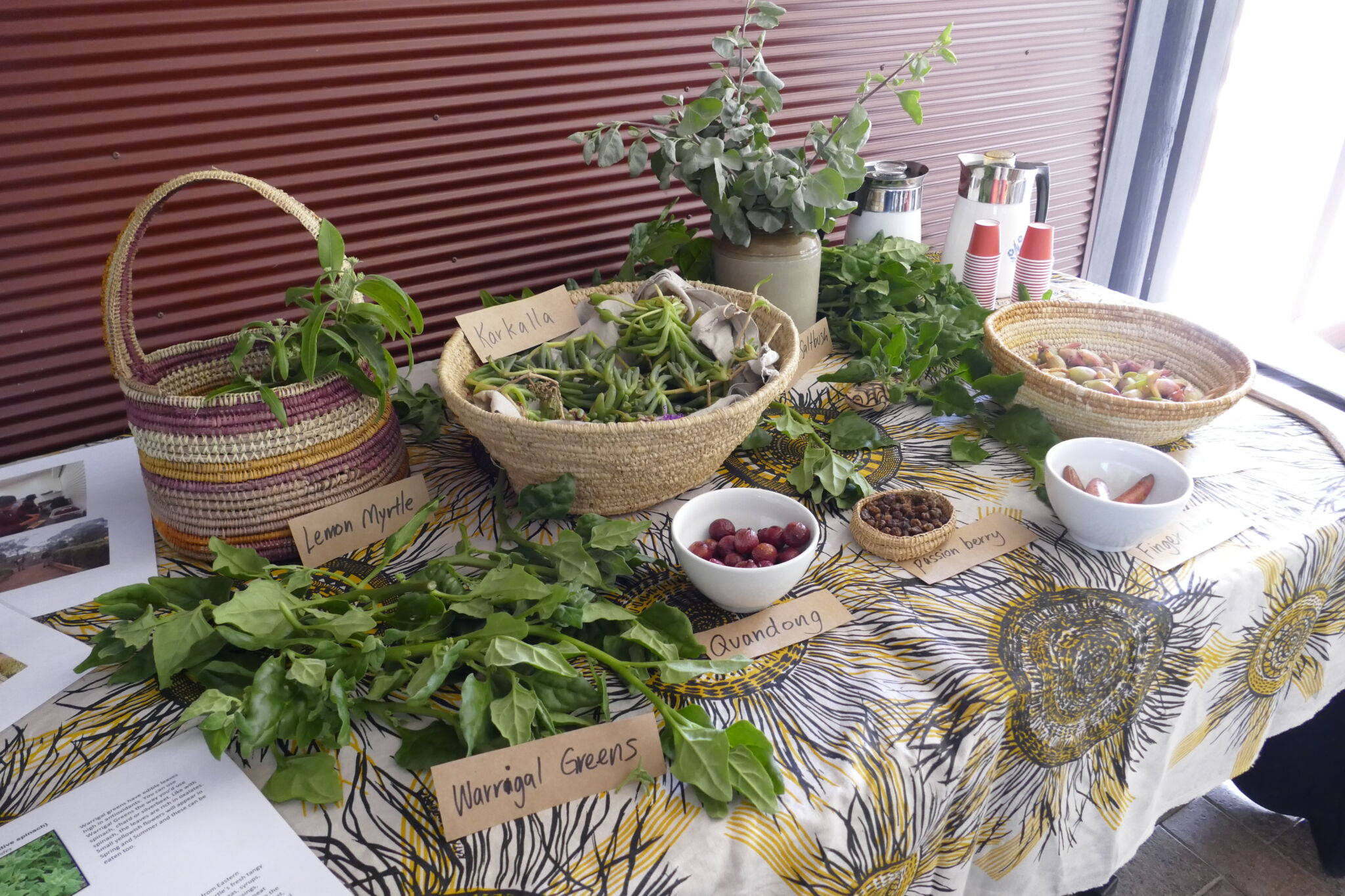
Developing visitor experiences at Monarto Safari Park, such as the Ngeragi Ya:yun bush food garden, which teaches visitors about Aboriginal use of native plants for food, medicine and tools.
Zoos SA would like to acknowledge our ALoC partners:
This project is supported by the Murraylands and Riverland Landscape Board through funding from the Australian Government’s National Landcare Program and the Landscape Board levies.
Zoos SA is supporting conservation activities in the Sichuan Province including habitat protection and rehabilitation, education and community engagement.