Nile Hippopotamus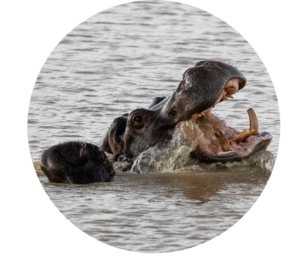
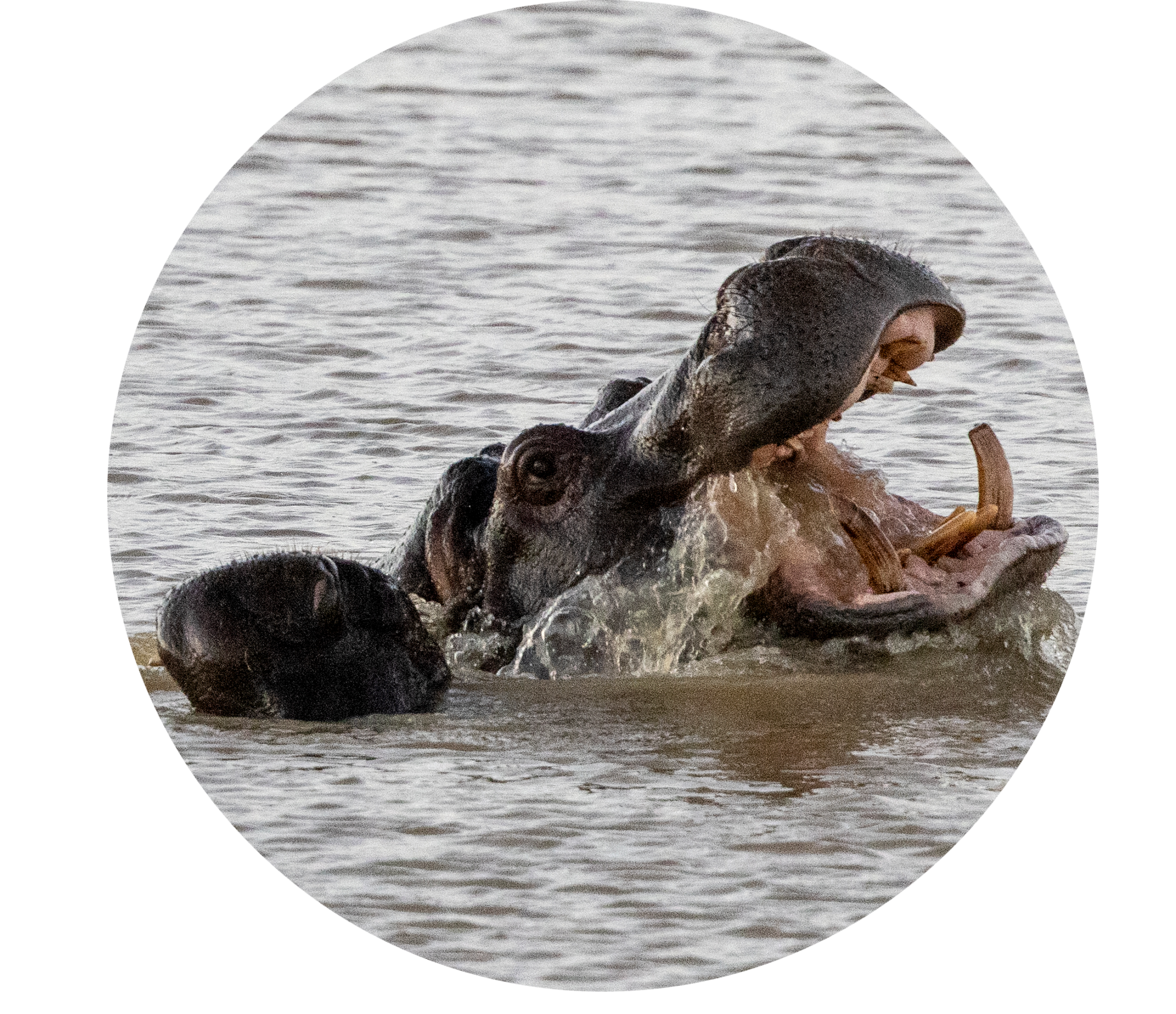
Two gorgeous Nile Hippopotamuses, Brindabella and Pansy, call the Wild Africa™ waterholes home. Brindabella was born in 1990 and weighs a whopping 1,584kg. Brindabella was born at Werribee Open Range Zoo, where she gave birth to Pansy in 2013.
Nile Hippopotamus are semi-aquatic animals and spend up to 16 hours a day in water. Despite this, hippos don’t actually swim! Due to their dense body mass, they sink to the bottom and trot along the riverbed. Nile Hippopotamus are listed as vulnerable by the IUCN Red List of Threatened Species.
Scimitar-horned Oryx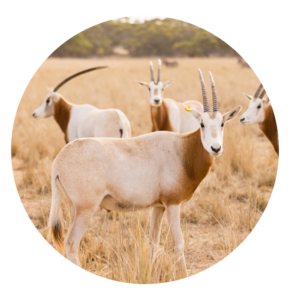
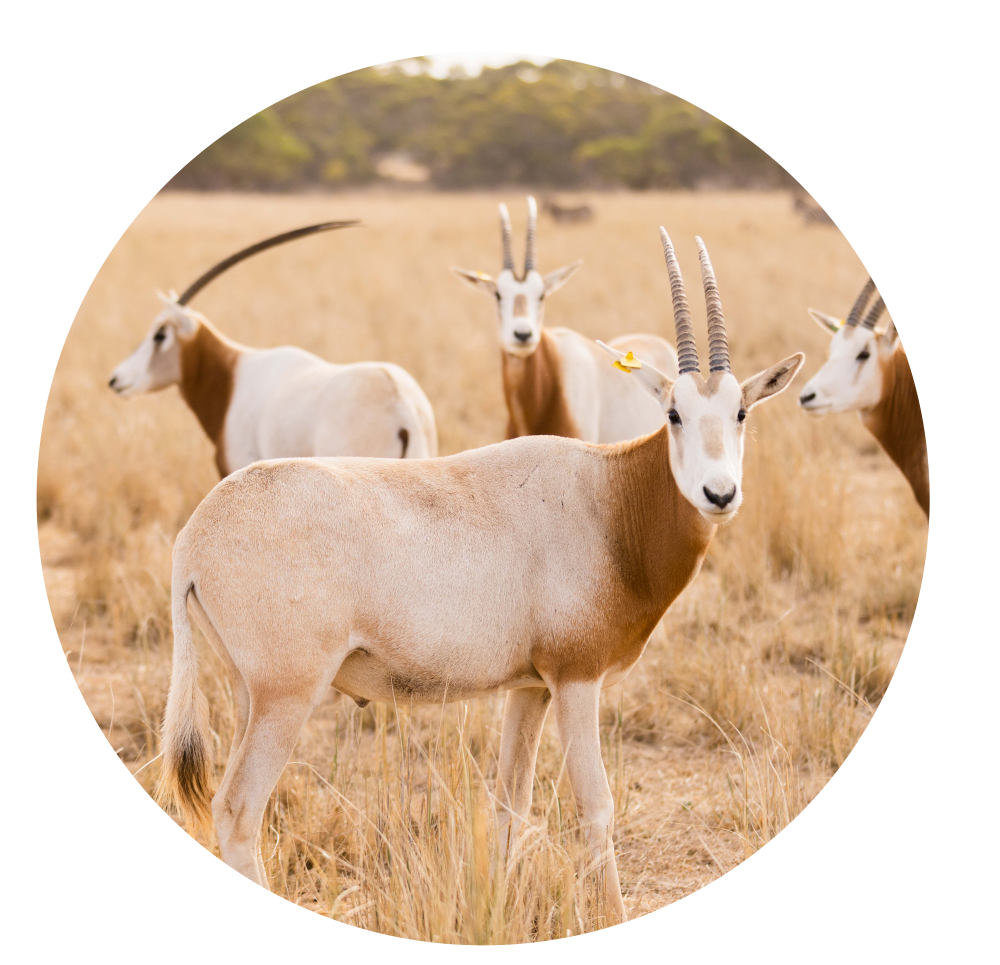
Wild Africa™ is home to Scimitar-Oryx, an antelope from North Africa characterised by their large sweeping curved horns that resemble a scimitar sword. The species was downgraded by the IUCN in November 2023 from extinct in the wild to endangered.
Monarto Safari Park has had excellent breeding success as part of the international species breeding program with over 50 calves born since 2011. An incredible conservation success story, since 2005 a global effort led by Sahara Conservation, has seen the once-extinct-in-the-wild species released into protected areas in Tunisia, Morocco and Senegal.
Plains Zebra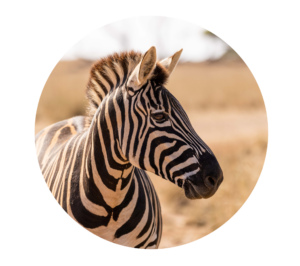
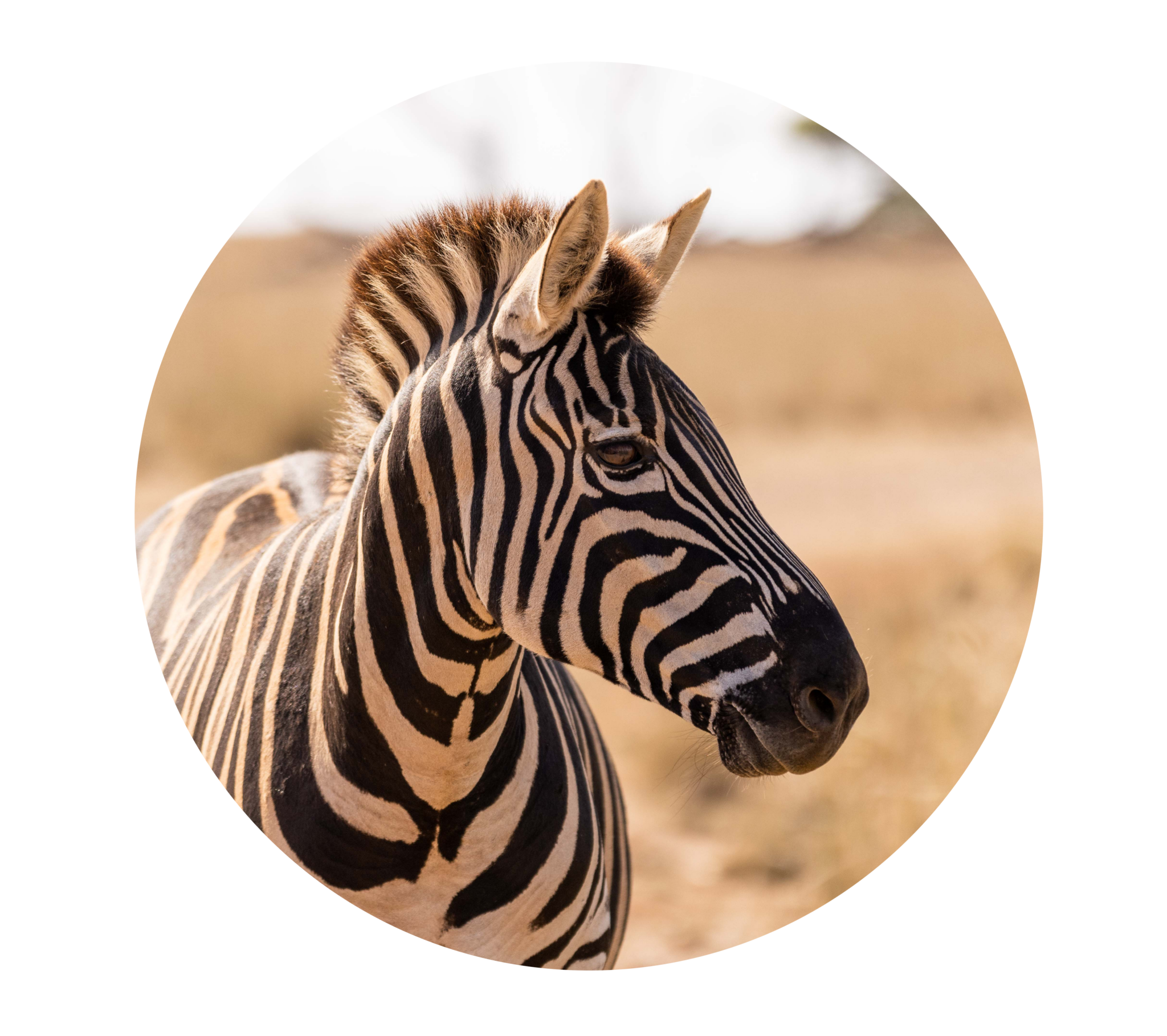
Grazing the plains of Wild Africa™, are a herd of stripey Plains Zebra. This species is nomadic and generally live in breeding groups with a single male and his ‘harem’ of up to six females or in all male bachelor groups.
The Plains Zebra is the most common and geographically widespread of the three zebra species. However, the species is now classified as near threatened by the IUCN with numbers are decreasing due to hunting for their meat and skins.
Cheetah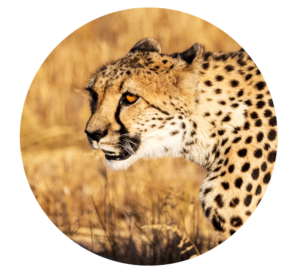
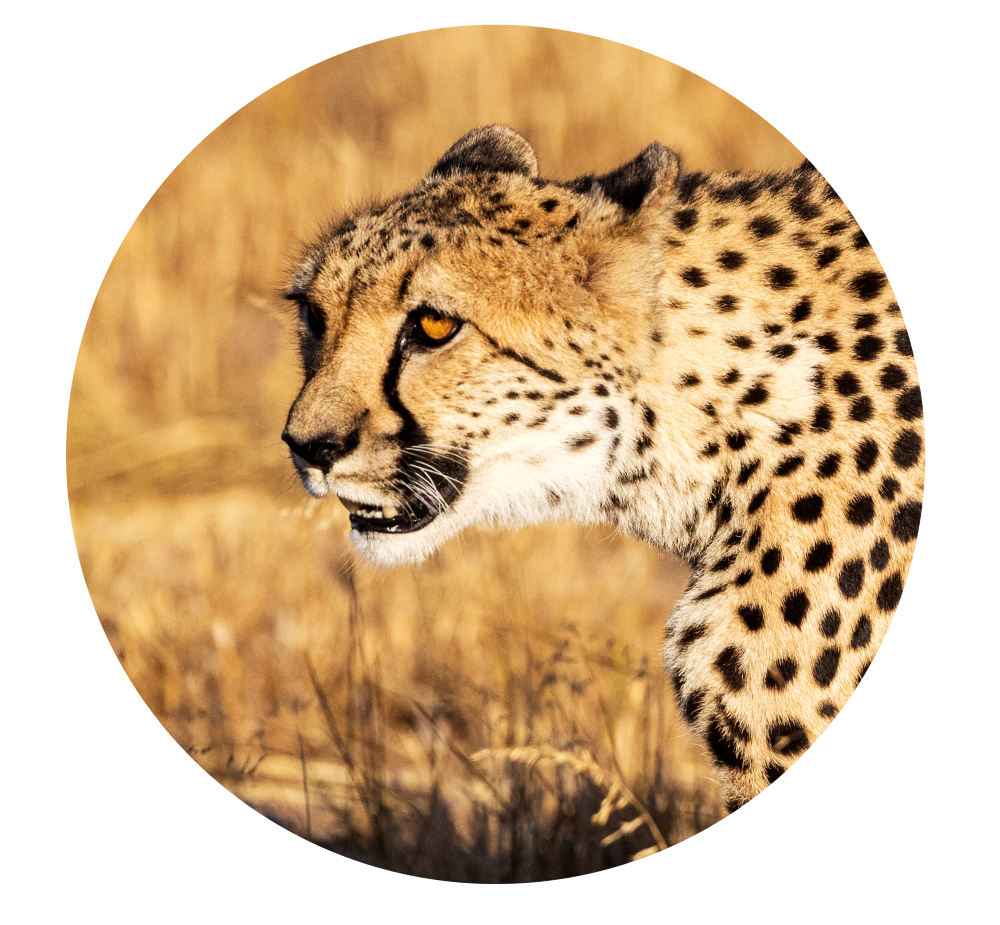
The Cheetah is the world’s fastest land animal and Africa’s most endangered big cat. Uniquely adapted for speed, the Cheetah is capable of reaching speeds greater than 100kph in just over three seconds and at top speed their stride is seven meters long.
Be sure to keep your eyes’ peeled for this spotty species on your Wild Africa™ safari, their distinct coats act as natural camouflage, helping them seamlessly blend into the grasslands.
Giraffe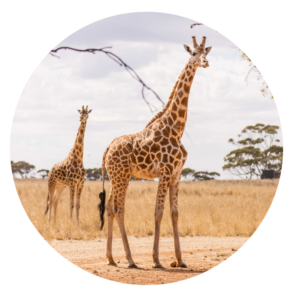
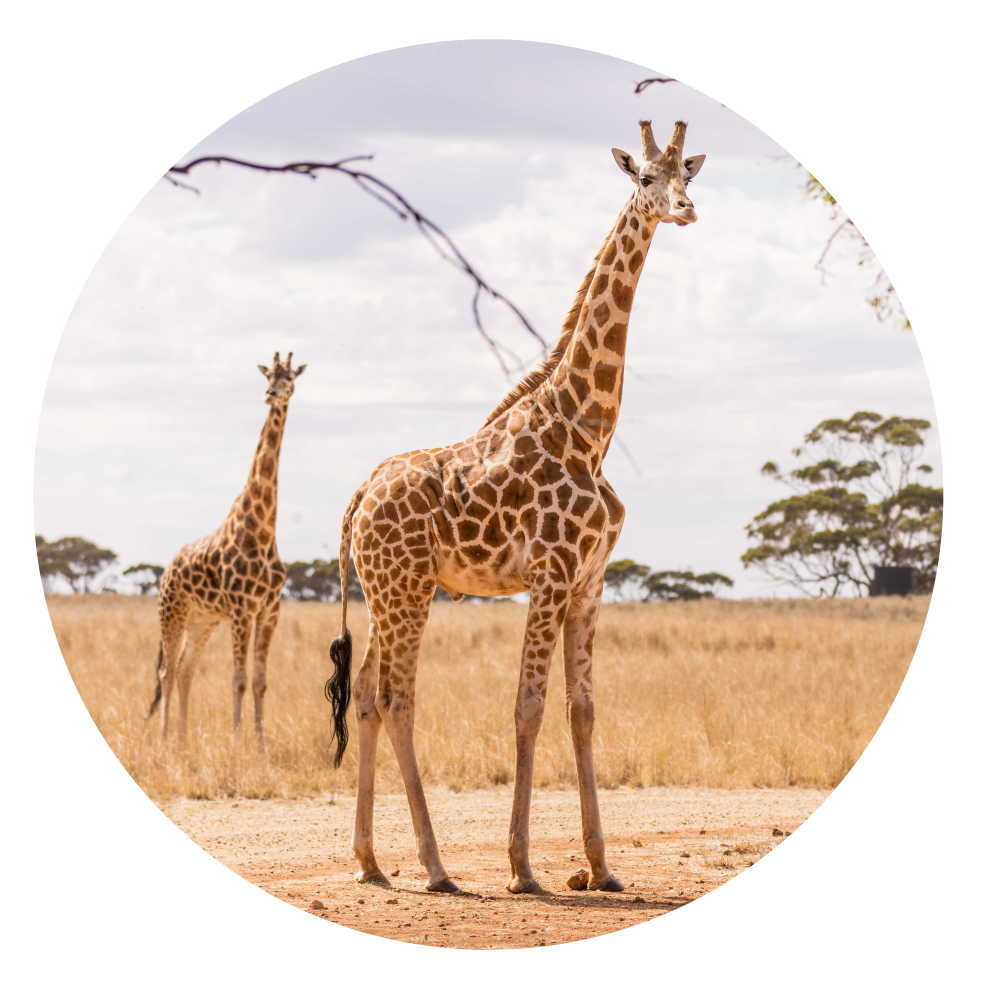
The tallest residents of the Wild Africa™ plains are the ginormous Giraffe. This species forms big, loose nomadic herds that wander the plains, feeding on vegetation as they go. They’re predominantly browsing animals, meaning they tend to eat leaves and bark off trees as the main part of their diet.
Aptly, a stationary herd of Giraffe is called a ‘tower’, however on the move across the vast plains with majestic, rhythmic gait they are called a ‘journey’. Individual giraffes have a unique pattern on their coat, just like fingerprints are unique to each human.
Blackbuck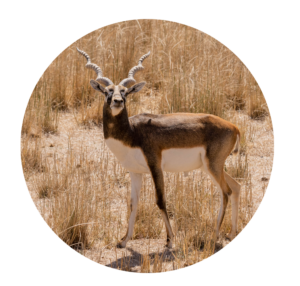
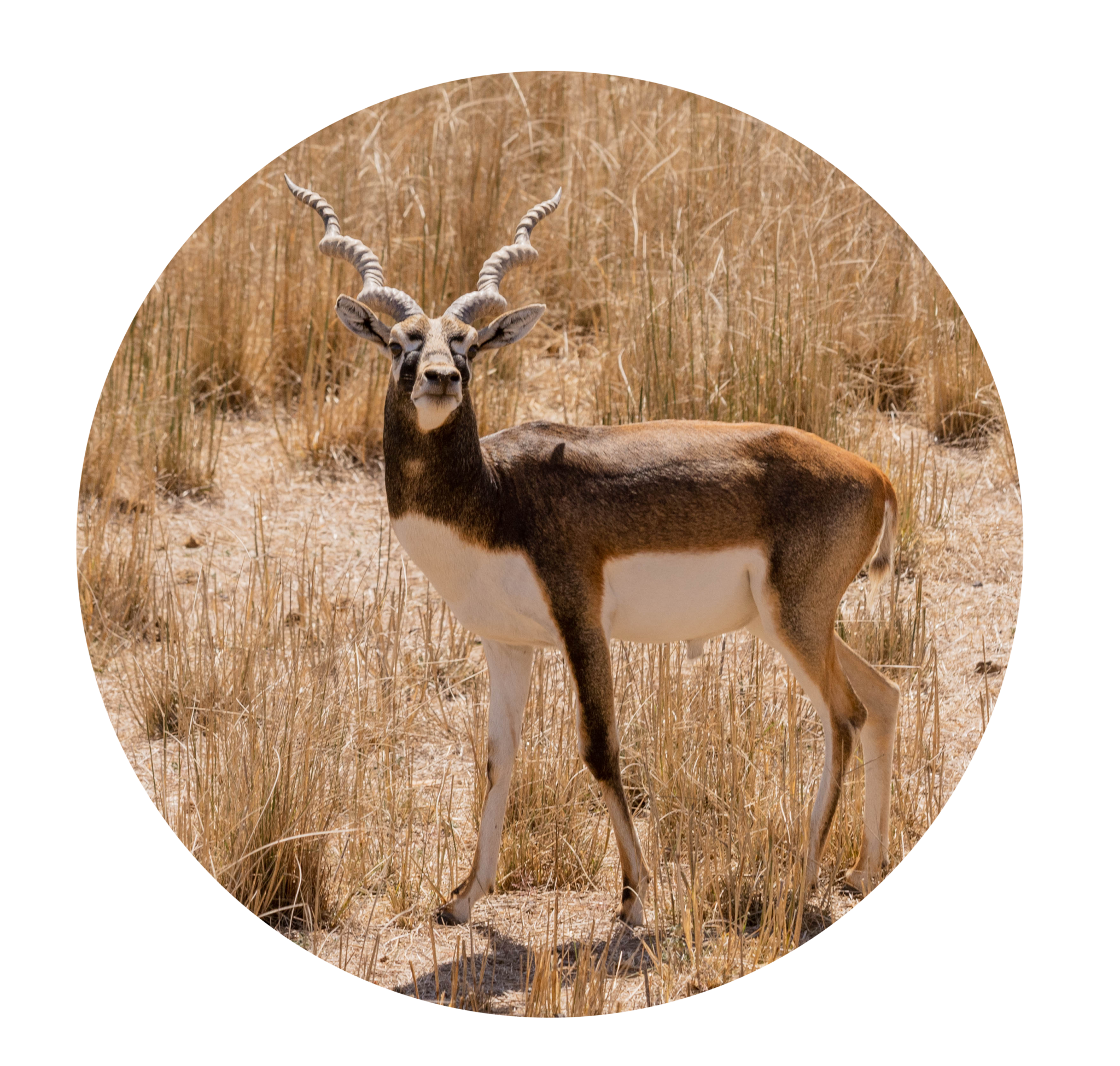
You will be able to tell a Blackbuck apart from other antelope species in Wild Africa™ by their impressive spiral horns, which sweep back from their head in a V-shape.
Male Blackbucks are much larger than their female counterparts, and have a rich dark brown coat, while females are a lighter tan colour. With an incredibly high leap, this species can run up to 80kmph.
Waterbuck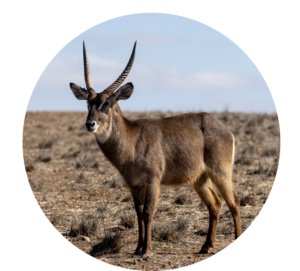
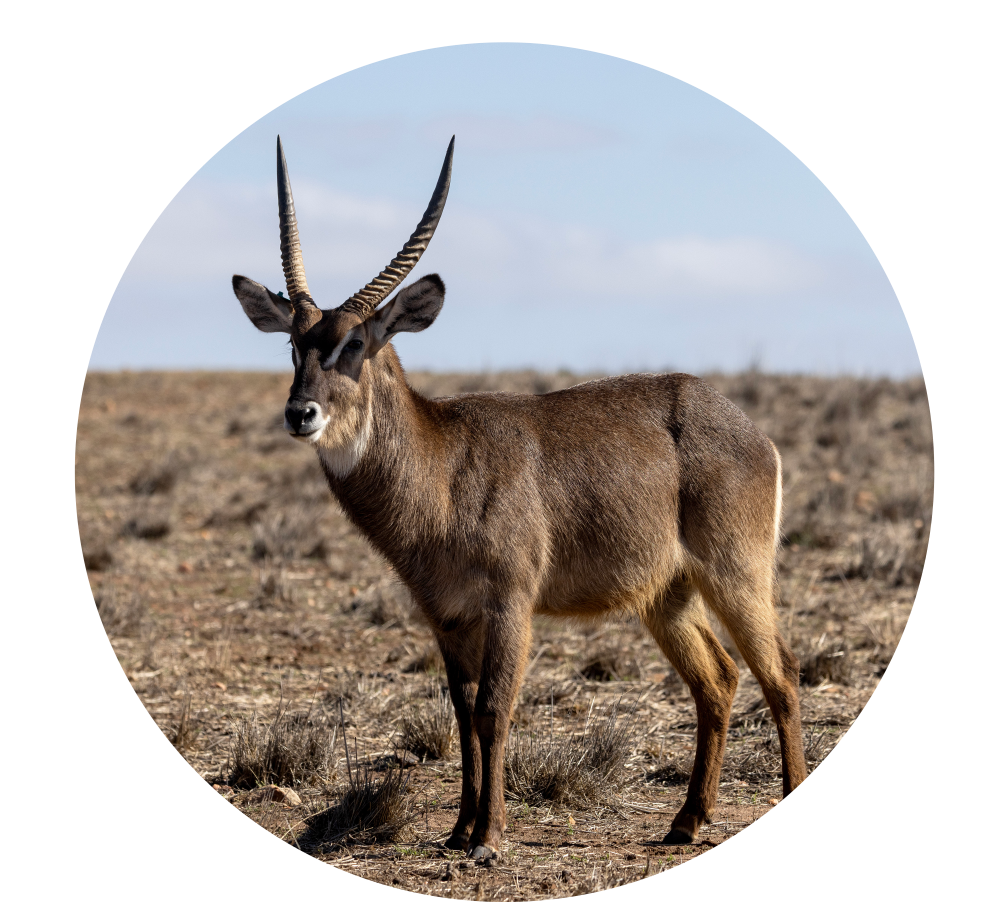
Another amazing antelope species calling the Wild Africa™ plains home, is the Waterbuck. This species inhabits areas close to water in savanna grasslands, forests, and woodlands south of the Sahara and are also well-known for their distinctive white ring pattern on their behind.
Nyala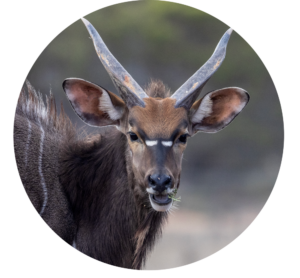
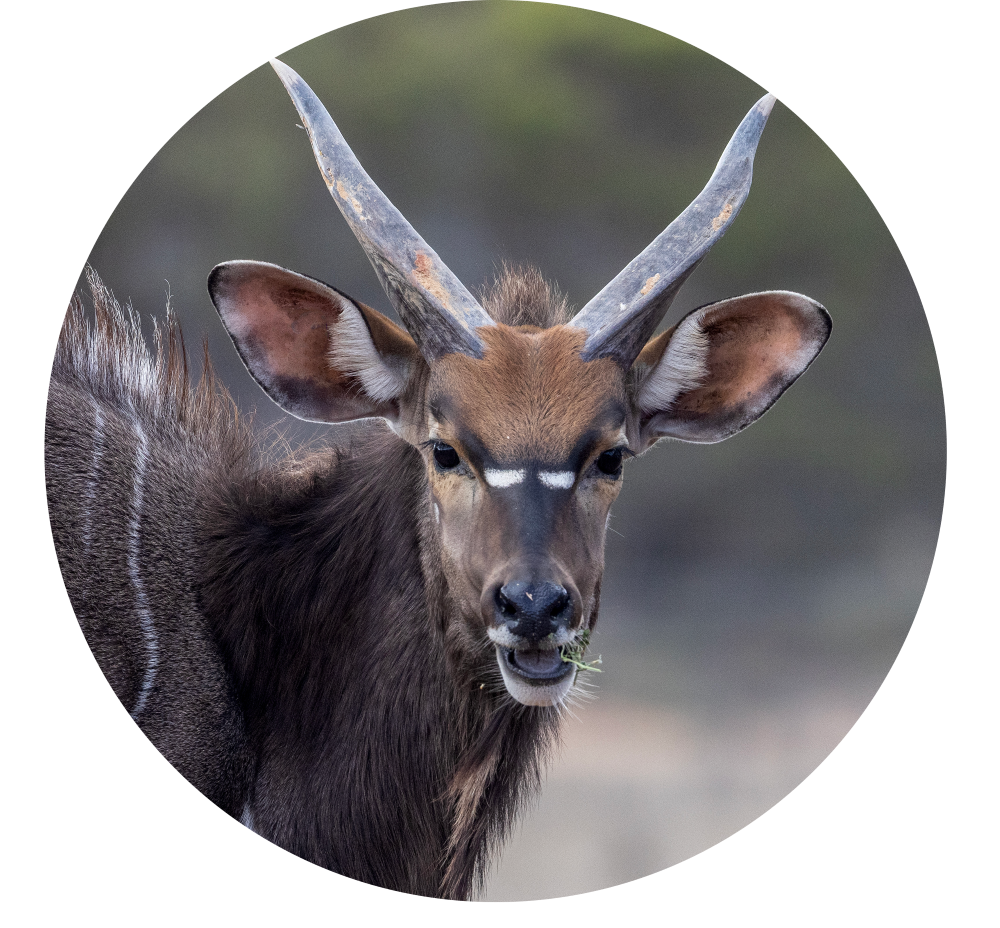
Male and female Nyala look incredibly different. Female sport a striking chestnut brown coat with white stripes, whereas adult males feature a dark grey, shaggy coat and large, twisted horns. These antelope love to live amongst the trees and shrubs nibbling on leaves and grass and will often rest in the shade so make sure to keep your eyes sharp when trying to spot one on your safari.
Southern White Rhinoceros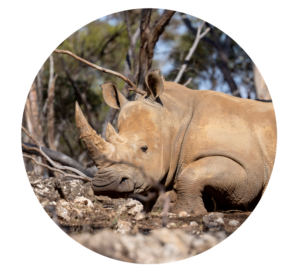
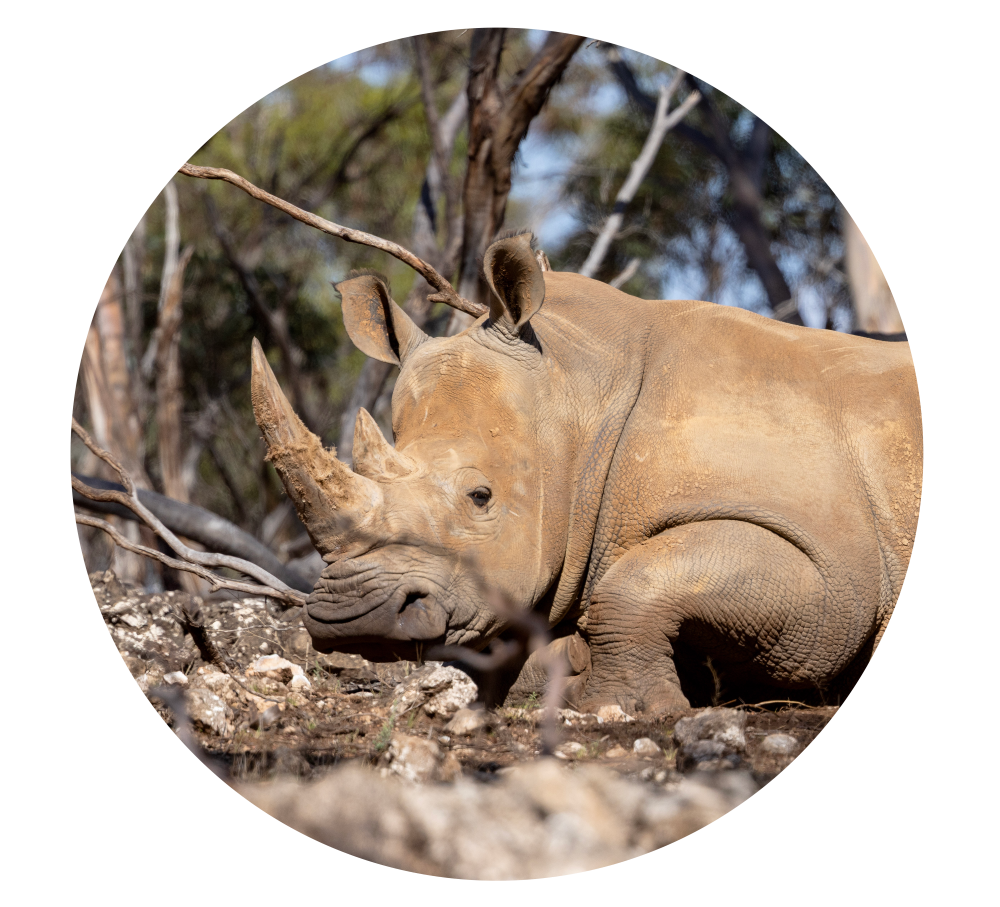
While on your safari journey make sure to keep an eye out for Wild Africa’s™ crash of female rhinos, Carrie and Savannah. The girls are joined by bull, Ibutho, and spend their days grazing, wallowing and roaming the plains.
The Southern White Rhino is one of the largest land animals on earth and has the biggest horn of all rhino species. Southern White Rhino are near threatened, with poaching for the international rhino horn trade one of the biggest threats to the wild populations.
Rhino horns provide no proven medical benefit; the horn is made of a protein called keratin, which is also what makes up skin, fingernails, hair and hooves.
Addax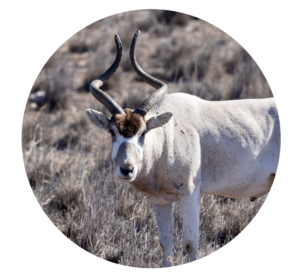
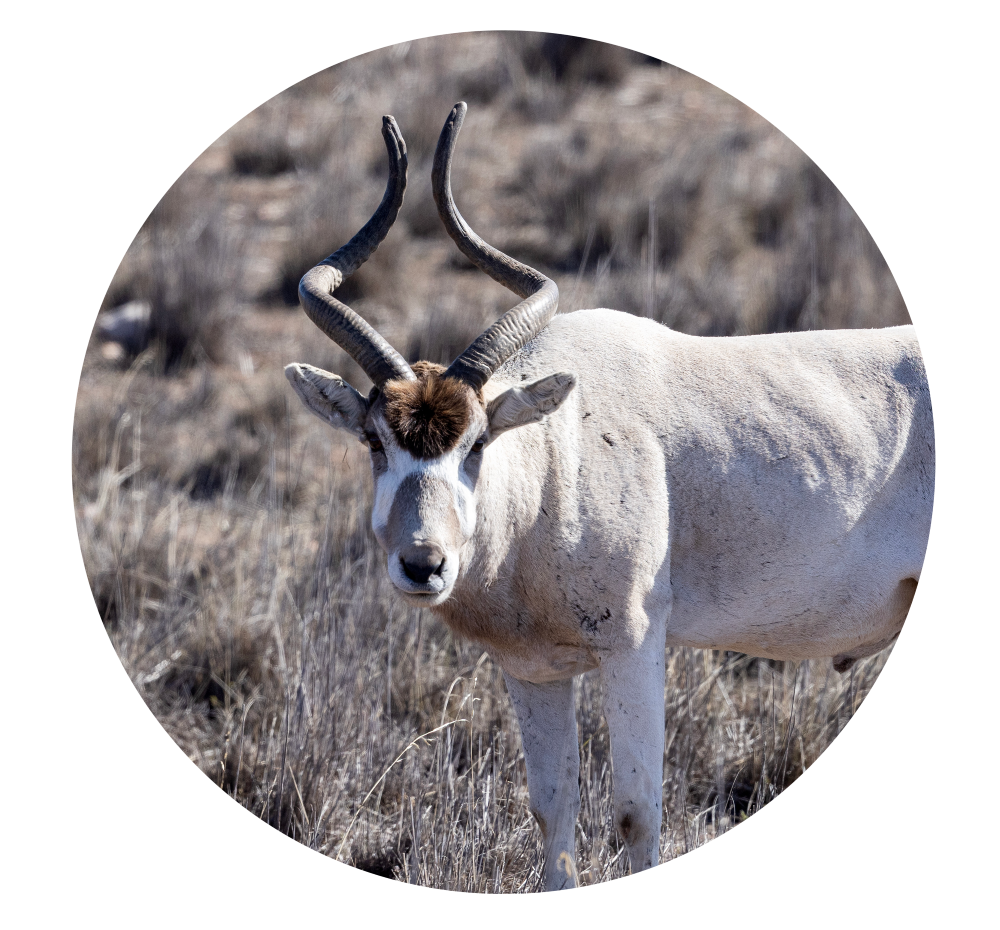
Critically endangered, Addax are now only found in isolated pockets of the Sahara Desert. Known for their long thin spiral horns, the antelope species has faced threats from poaching and habitat loss.
Eland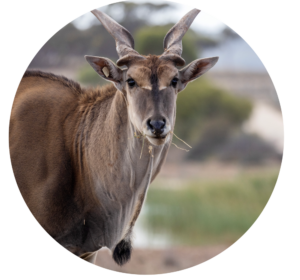
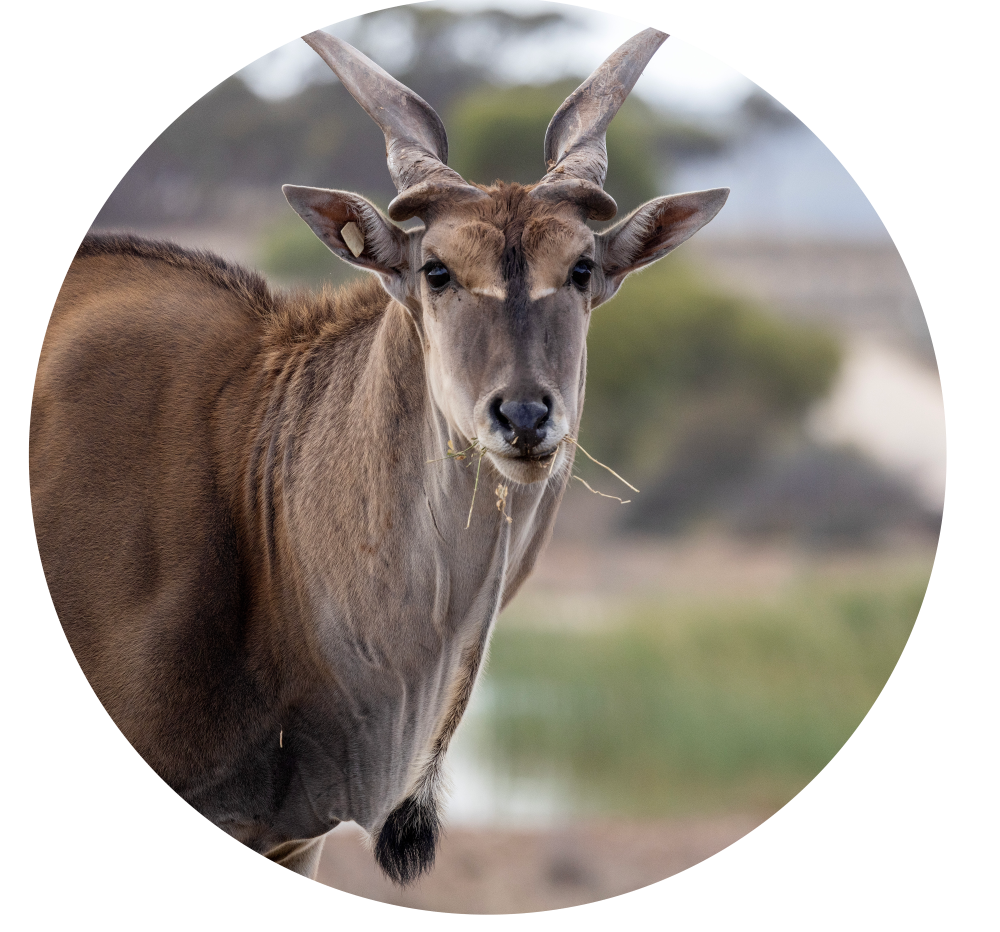
Africa’s largest antelope species, Eland form herds of up to 500 animals that roam a variety of habitats but avoid dense forests. Despite their size, this impressive species can jump up to 2.5m high from standing!
Ostrich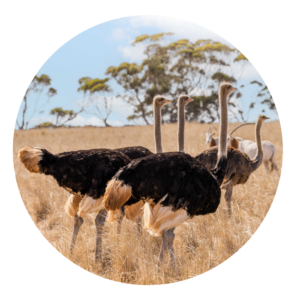
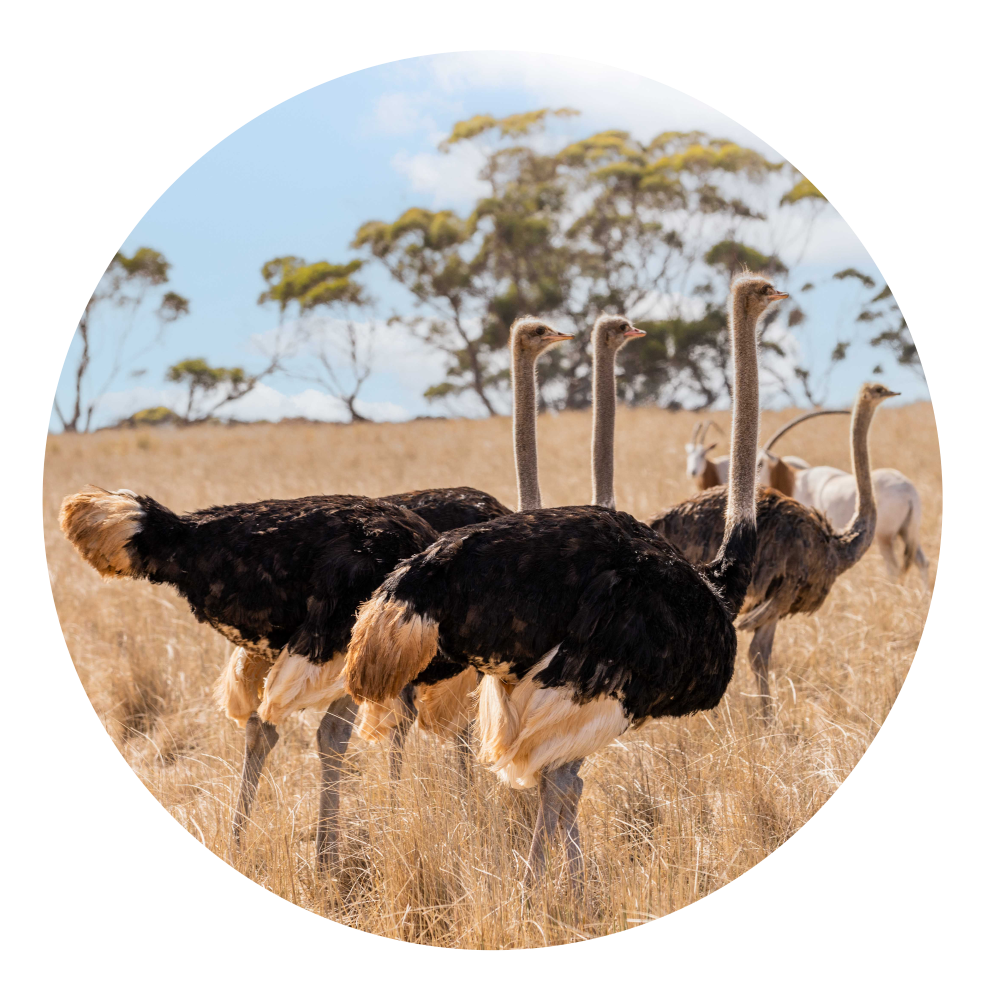
Roaming the grasslands of Wild Africa™ is the world’s largest bird. Standing up to 2.7m tall and weighing more than 150kg, Ostrich have powerful legs built for speed and can sprint up to 70kmph, covering metres in a single stride.
Spot the difference between males and female Ostrich through their feathers, with males typically displaying black and white feathers while females feature grey or beige plumage.
Barbary Sheep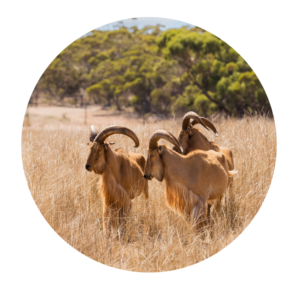
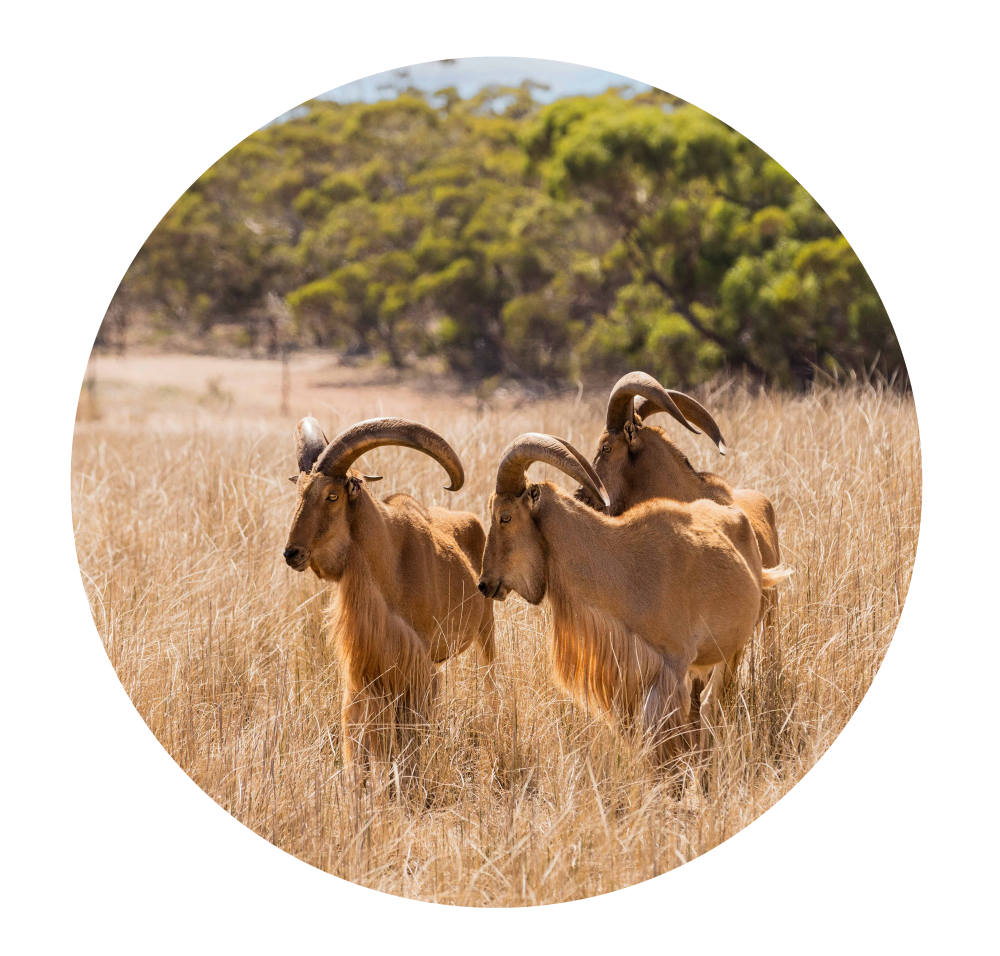
Sporting an impressive beard of shaggy hair that extends from their throat down to their legs, Barbary Sheep, despite their name, are actually more like goats and antelope and both males and females have horns.
They are excellent climbers and can often be seen scaling the rocks scattered across the Wild Africa™ plains. The species is listed as vulnerable to extinction in the wild by the IUCN Red List.
Southern Purple Spotted Gudgeon
Within the waterholes of Wild Africa™ one of Zoos SA’s incredible conservation projects. The Southern Purple Spotted Gudgeon, a tiny native fish species, was thought extinct but brought back from the brink thanks to Zoos SA’s conservation team, the Nature Glenelg Trust and the Murraylands and Riverlands Landscape Board.
The fish species has now been released into the freshwater waterholes across Wild Africa™, providing a safe place for the species to breed, build up their numbers and genetic diversity. The program brings Zoos SA one step closer to releasing the Southern Purple Spotted Gudgeon back into their native habitat.