



Blog Archive

< Back

Trapping SA's Most Endangered Mammal

Tuesday, November 09, 2010 2:27pm
warru trip 225x169 (01).jpg warru trip 225x169 (02).jpg warru trip 455x431 (03).jpg

Hello all,

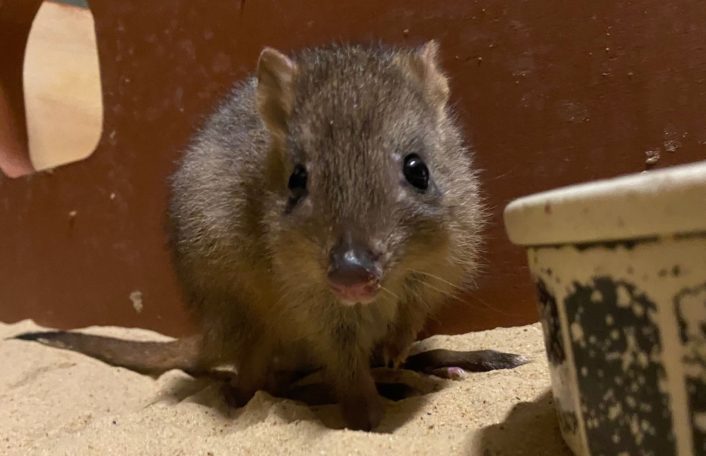
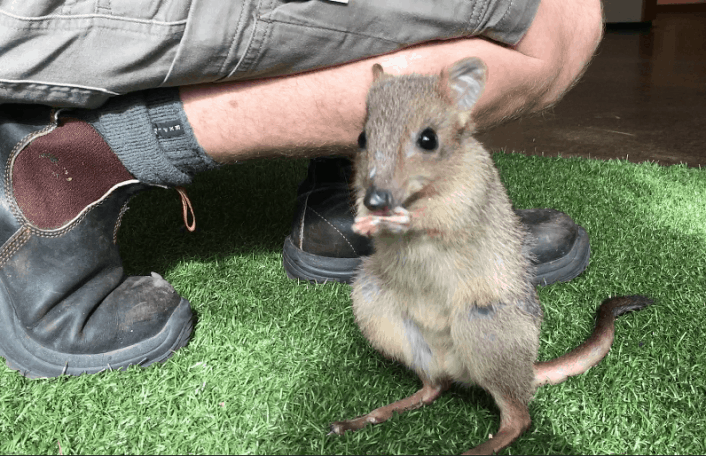
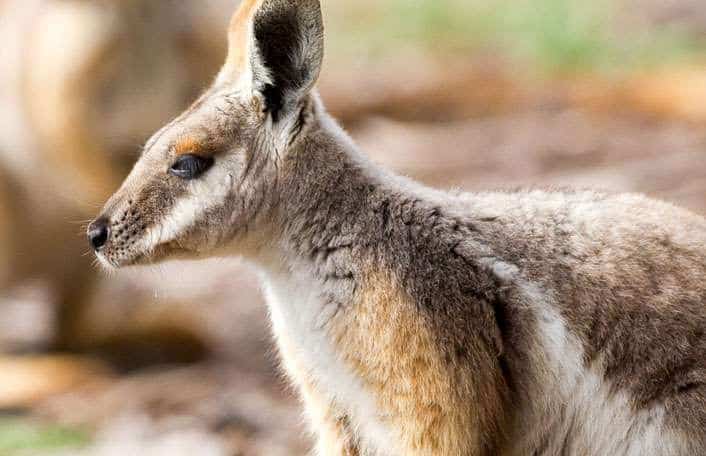
Recently I had the privilege to spend time in the Anangu Pitjantjatjara Yankunytatjara (APY) Lands (northern SA near the NT boarder) representing Zoos SA in the annual Black-footed rock-wallaby (Petrogale lateralis MacDonnell Range race) trapping event. 

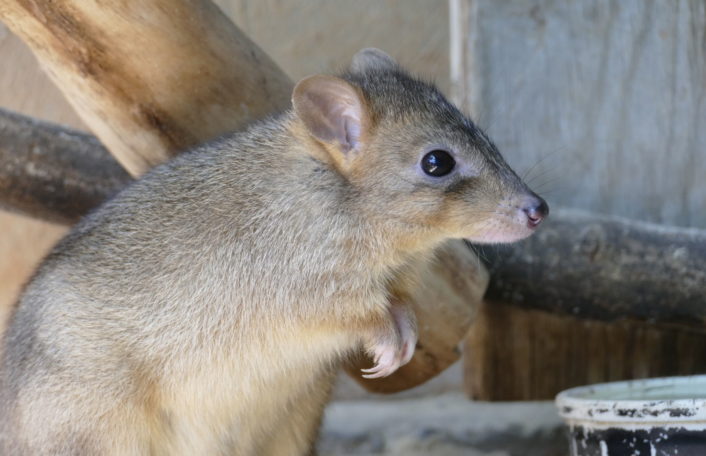
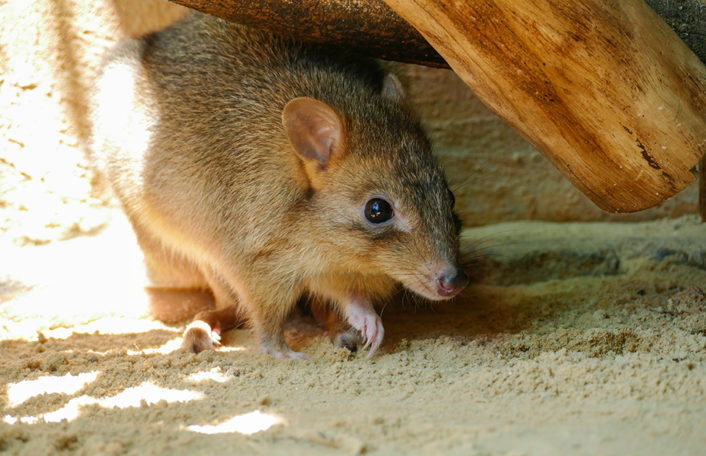
The Warru, as they are called by the Anangu people, is SA’s most endangered mammal, being historically common in multiple areas of northern SA, but unfortunately numbers have dramatically reduced, with small populations now only located in the APY Lands. Surveys have shown that their numbers are continually reducing, with one colony becoming classed extinct in 2006.  Scientists think that there are less than 100 Warru left in SA, and over the last few years a Warru recovery program has been developed.

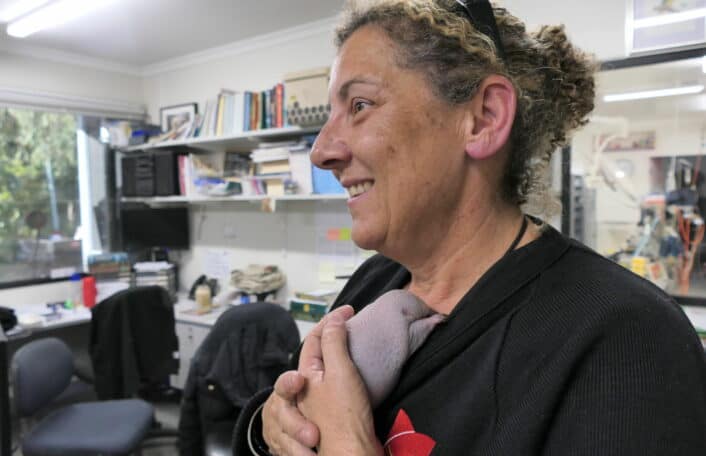
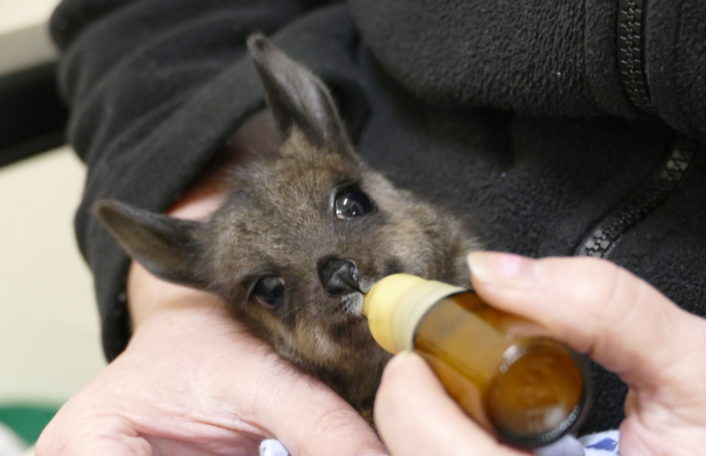
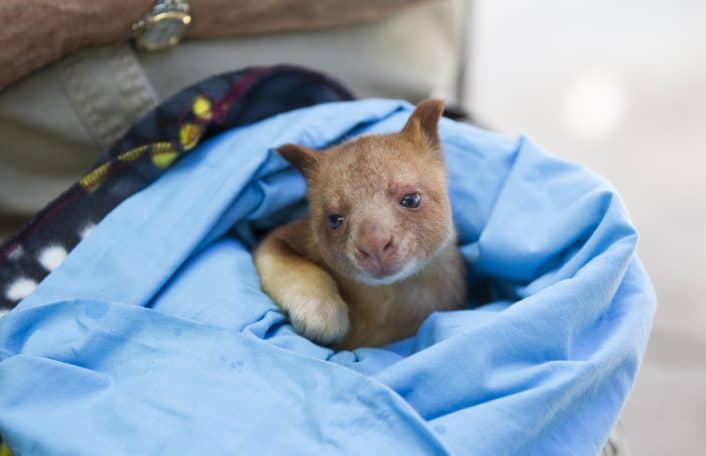
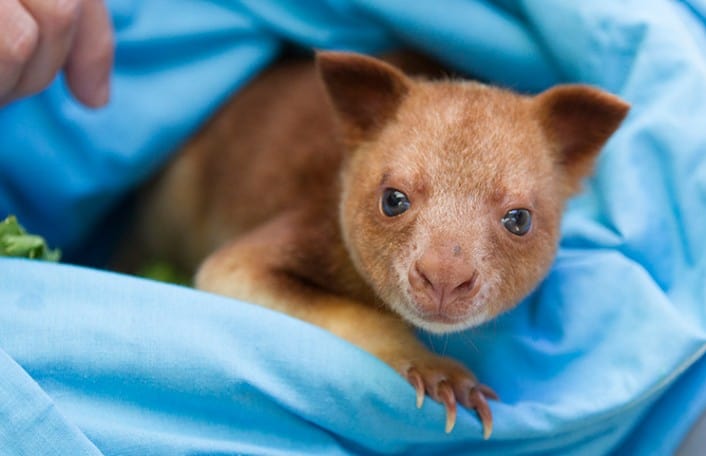
My role was to provide animal health care support for the trapped wallabies and to hand-raise any joeys that could potentially be abandoned by their mothers in the process.  I arrived at Young’s Well (my camp site) early in the evening after two days of travel, set up my tent and tucked into a hearty dinner, none the wiser to how exhausting the following  days were going to be. 

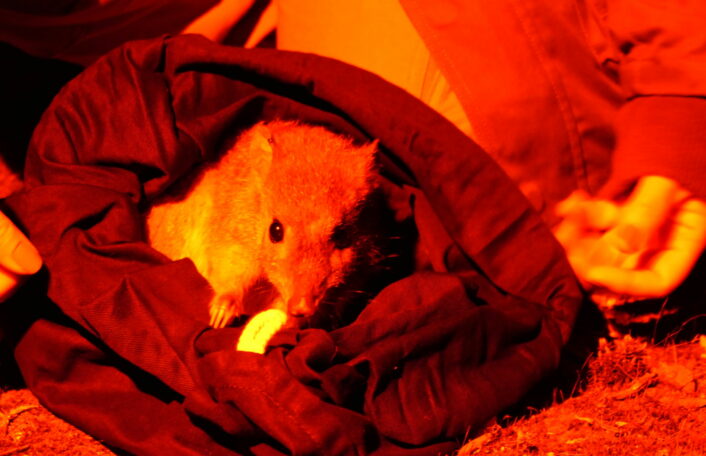
Trapping involved early morning rises and lots of climbing (or more often scrambling!) around the very steep rocky terrain which is the Warru’s habitat.  Access to the traps was by climbing up to them, which for a wallaby was easy, but for us, not quite as easy! Each trap was placed in an area that the Warru were likely to spend time, for example small caves and rock crevices. They were tempted into the soft sided traps with apple, oats and peanut butter, which was operated by the wallaby stepping on to a peddle, causing the door to close behind them. They then appeared to happily munch away on the apple, oats and peanut butter until we arrived.

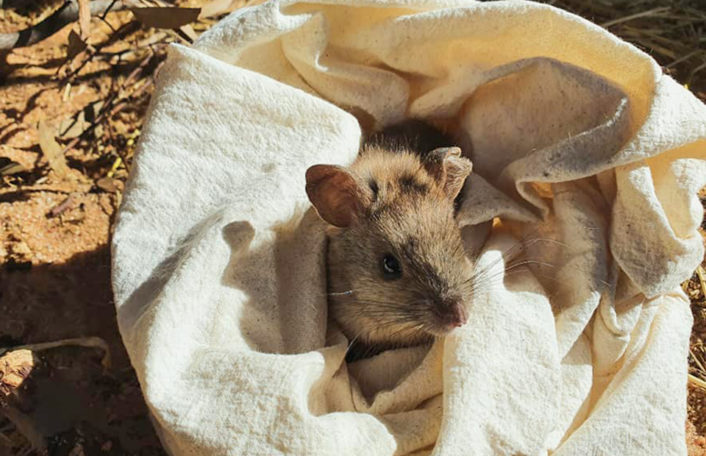
We quietly approached each trap, checked to see if there was a wallaby present and, if so, quickly removed them and placed into a hessian bag.  Once in the bag we checked to see if the wallaby had a microchip and/or ear tag - if either were present it meant that this wallaby had been trapped in previous years. If neither were present we had to microchip and insert an ear tag to identify them, and collect a DNA sample for genetic analysis, which will determine family kinships of the remaining colonies. We also took various body measurements and checked for pouch young. The wallabies were then released very close to the sight of capture, and interestingly we quite often would re-capture them again the following night - obviously unable to resist a free feed!

The trapping trip was a great success; ten new animals were trapped at the sight I was working at and six new females were trapped at the sight were Heidi was working, indicating on-going recruitment. Also many Warru who had been trapped in previous years were trapped on this trip which is great news.

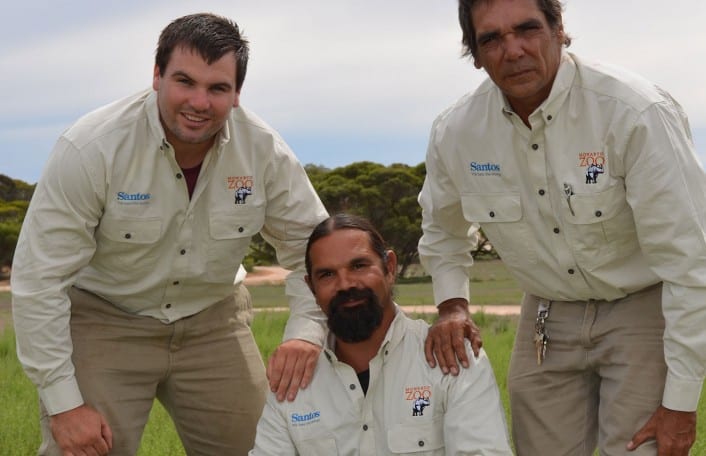
During the trapping trip we were joined by the local Warru Minyma tjuta; female community elders who enjoyed sharing their local plant, animal and landscape knowledge, especially around the campfire, and who provided fantastic support. It was also a very rewarding experience working with the Warru Rangers and their assistance when clambering around the rocky cliffs was much appreciated.

I feel very privileged to have had this amazing opportunity to assist in the conservation of the Warru and to engage with the Anangu people and their culture.


Paula
Senior Vet Nurse, Zoos SA


Comments

No Comments

Post a Comment


Page Last Updated October 27, 2010, 2:37 am