




News, Blogs & Videos
Zoos SA
Find out if a new animal has arrived, we lose an old favourite or are trying to pair animals up for breeding.
Feed Link:
Categories
- Adelaide Zoo
- Monarto Zoo
- Warrawong
- Conservation Ark
- Births, Deaths & Marriages
- Wildlife Vets & Nurses
- Giant Pandas
- Media Release
Archive
- December 2008
- January 2009
- February 2009
- March 2009
- April 2009
- May 2009
- June 2009
- July 2009
- August 2009
- September 2009
- October 2009
- November 2009
- December 2009
- January 2010
- February 2010
- March 2010
- April 2010
- May 2010
- June 2010
- July 2010
- August 2010
- September 2010
- October 2010
- November 2010
- December 2010
- January 2011
- February 2011
- March 2011
- April 2011
- May 2011
- June 2011
- July 2011
- August 2011
- September 2011
- November 2011
- December 2011
- January 2012
- February 2012
- March 2012
- April 2012
- July 2012
Blog Archive
Enrichment is for Everyone
Life is a routine. Or is it?
Every day, we deal with routines in our world. Eat, drink, and sleep. Get up, deal with our family, feed the budgie, get to work, go to school, and walk the dog, plus whatever others you may care to add. Predictable routines, though, are a relatively recent thing in the evolution of us Humanimals.
For a large part of our history, life was clearly not predictable. We were in situations where we were prone to the everyday laws of nature far more than we are today. Random weather events and seasonal variations strongly dictated our movements, just like they do for other animals still: it rains in the north, wildebeest migrate from the south. Then, there was the ever present danger that as we hunted, we could ourselves become prey. Protein is protein in the animal kingdom, and there was a time that humans were on the same menu as gazelle, zebra and warthog.
We had to be flexible enough to respond to a variety of circumstances at any time. The dogs that we domesticated that helped us be hunters and, hopefully, helped us avoid being hunted, have this innate flexibility intact. We do as well, we just use it less than we used to, because modern life has made our lives more predictable than ever. Thing is, that’s pretty boring for us. The science of behaviour shows us that what we can’t predict, is the thing that most engages us.
Let’s look at our technology as an example: how often do we check our iPhones to see if there’s a new message there? The random nature of messaging trains us to check for messages. How much more do we do it if we’re linking up to a new attractive person in that exciting time during the start of a relationship? Then there’s the shuffle component of your iPod: variation. This component wouldn’t be there if there wasn’t recognition by the manufacturer of our interest in variety. We have a core need for it, but we’ve stifled it with the increased predictability of our modern life. Our need to be safe competes with our desire to be stimulated.
Our animals have been sucked into this vortex, too. The creatures we’ve domesticated might have changed in outward appearance, but they’re very like their wild relatives underneath the skin. Beneath the floppy ears, friendly eyes and spotted coat of a Dalmatian is a card-carrying wolf. A wolf gets the random variation of nature every day. Why would that spotty dog on the outside want to miss out on what it yearns for on the inside?
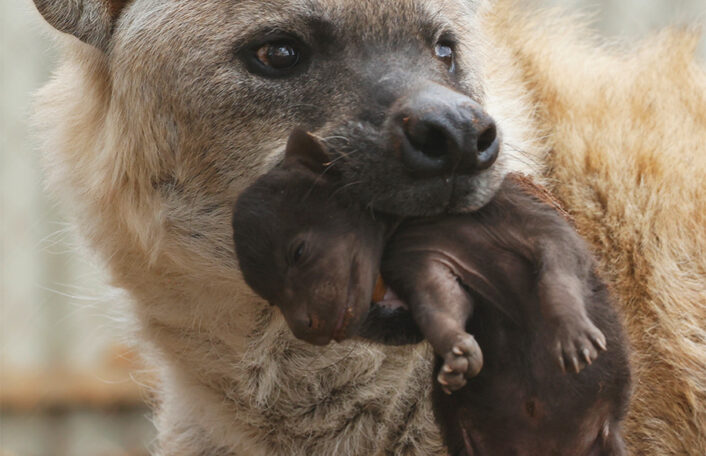
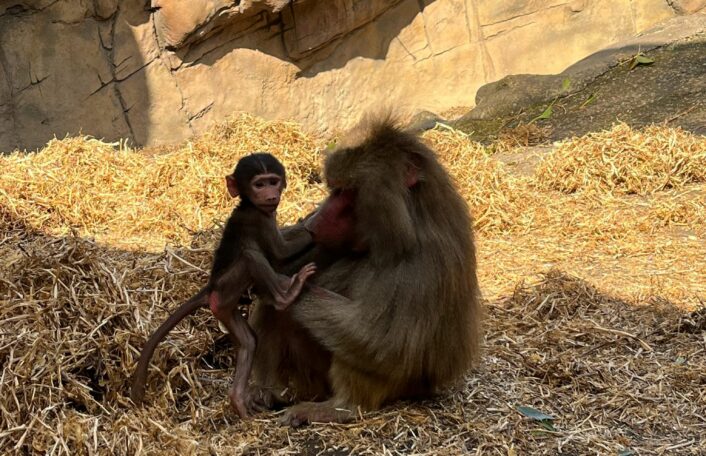
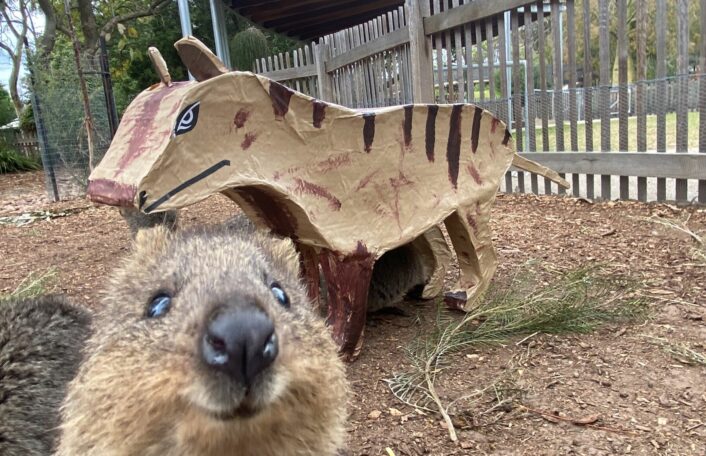
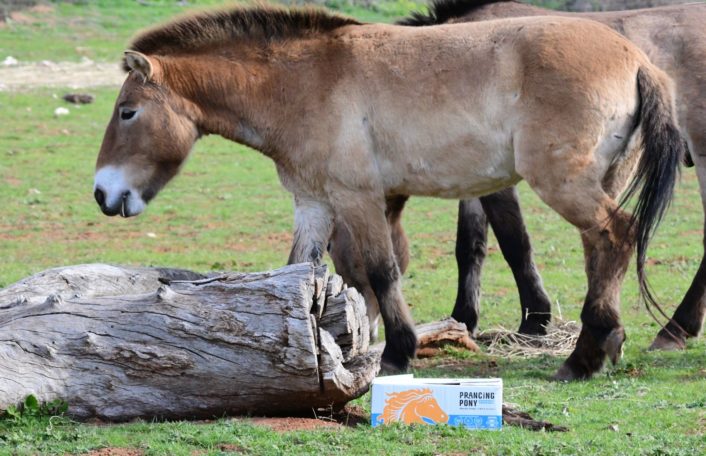
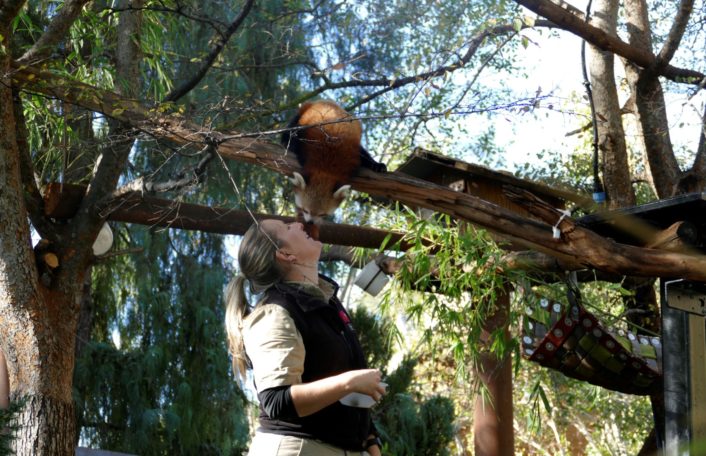
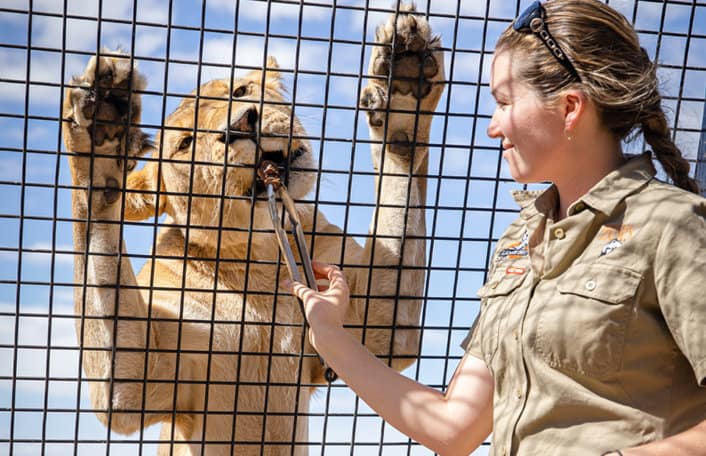
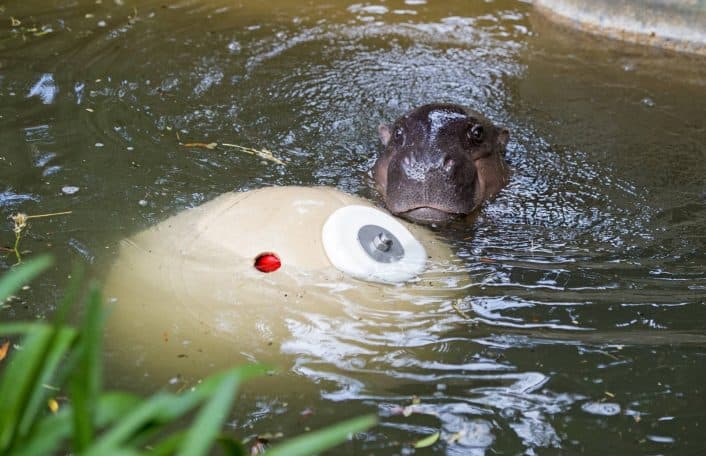
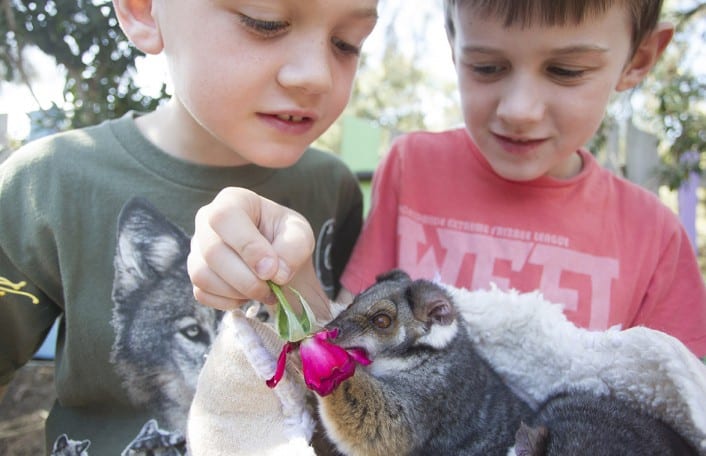
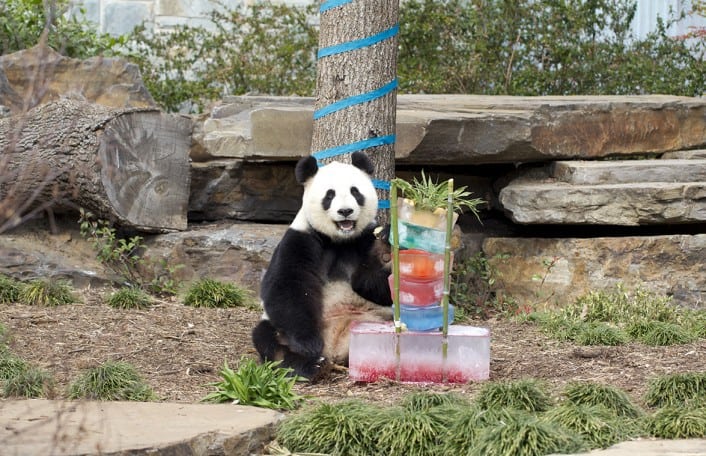
In Zoos we have a word for variation: Enrichment. We have all kinds of ways of enriching the lives of our animals and making them more interesting. Many of the concepts we use can be adapted for your animals waiting at home for you to return from work, sport, school … or a visit to the zoo.
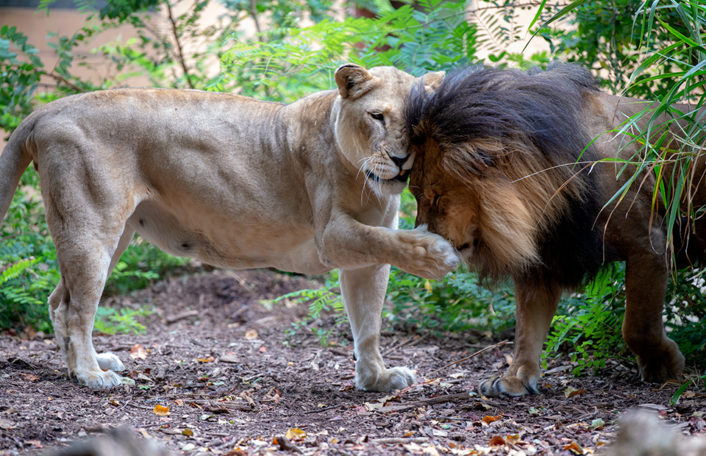
In my next blog, I’m going to talk about exactly why enrichment is important for an animal’s health on a number of levels and why enriching animals is also enriching for us …
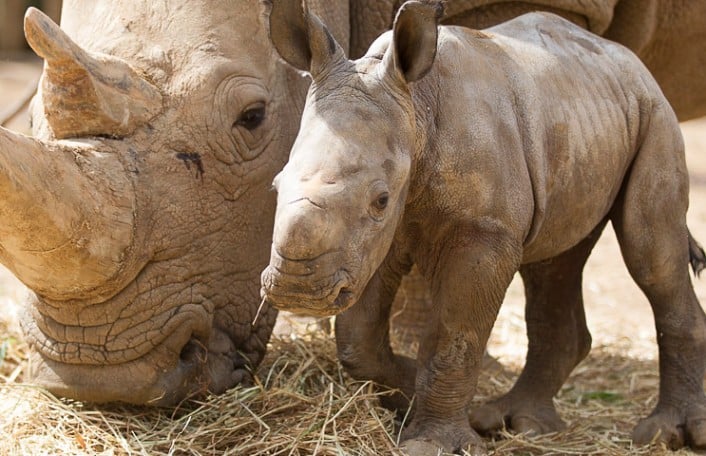
Nic
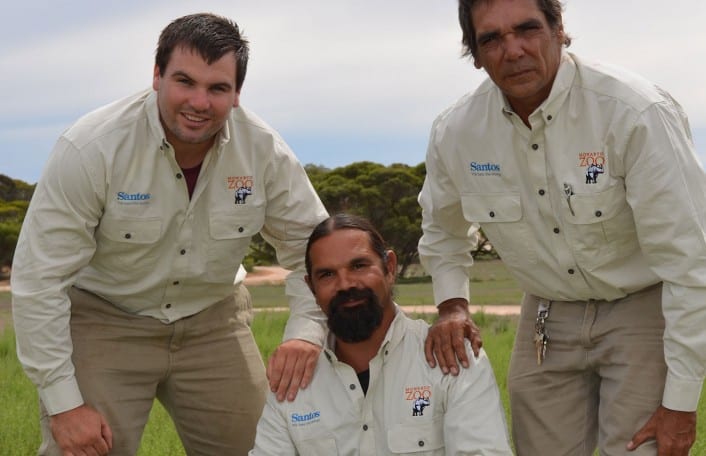
Manager of Animal Encounters, Zoos SA

Comments
Post a Comment